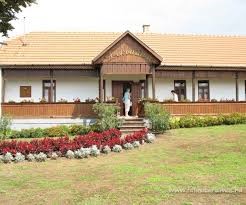
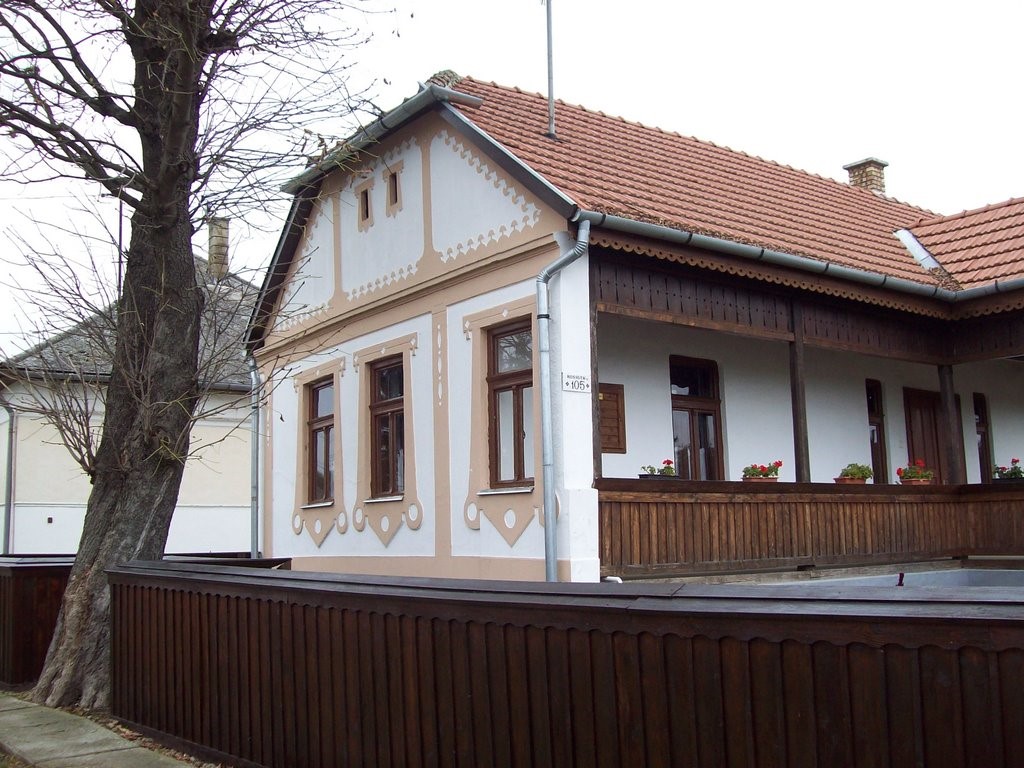
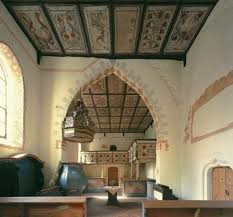
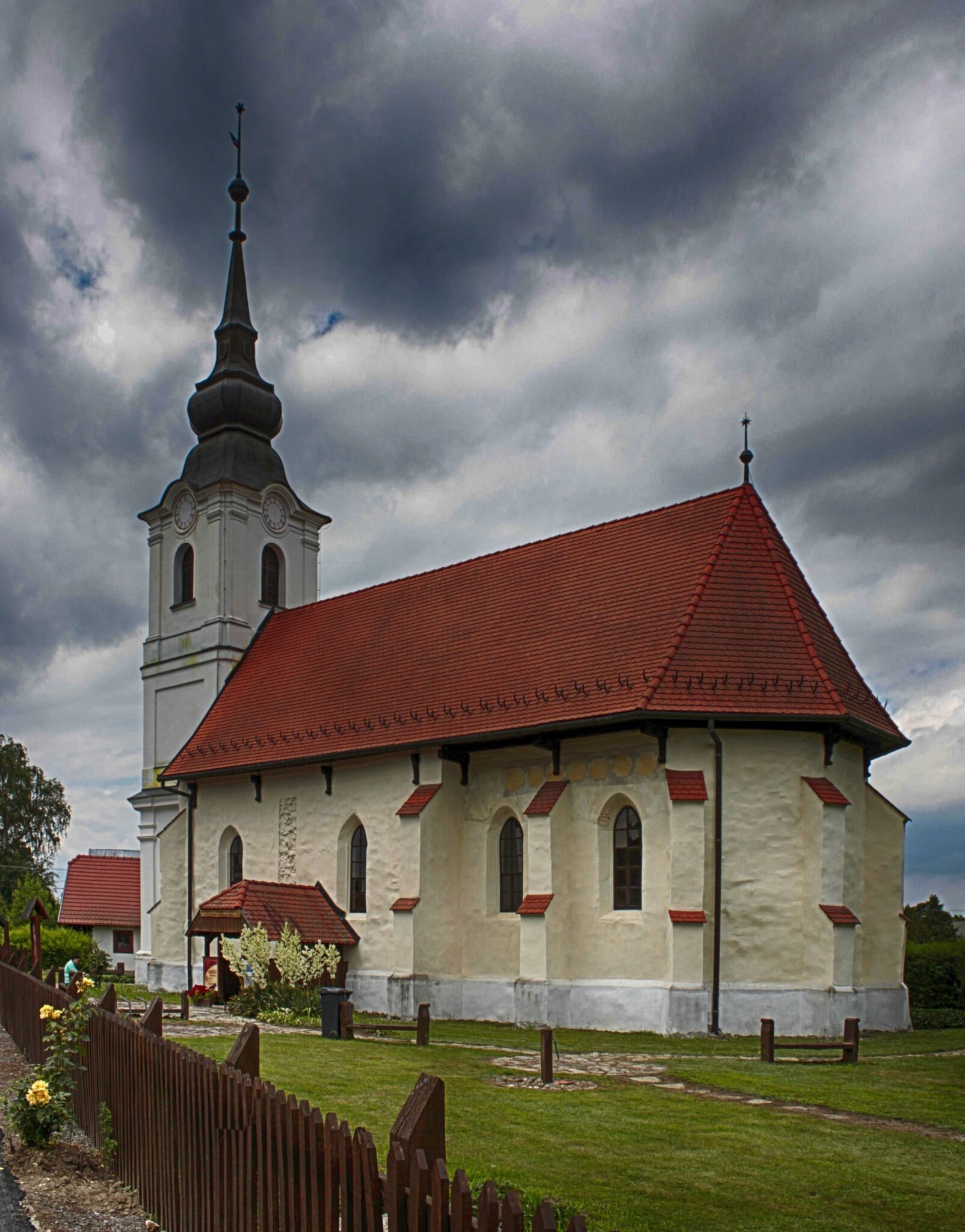
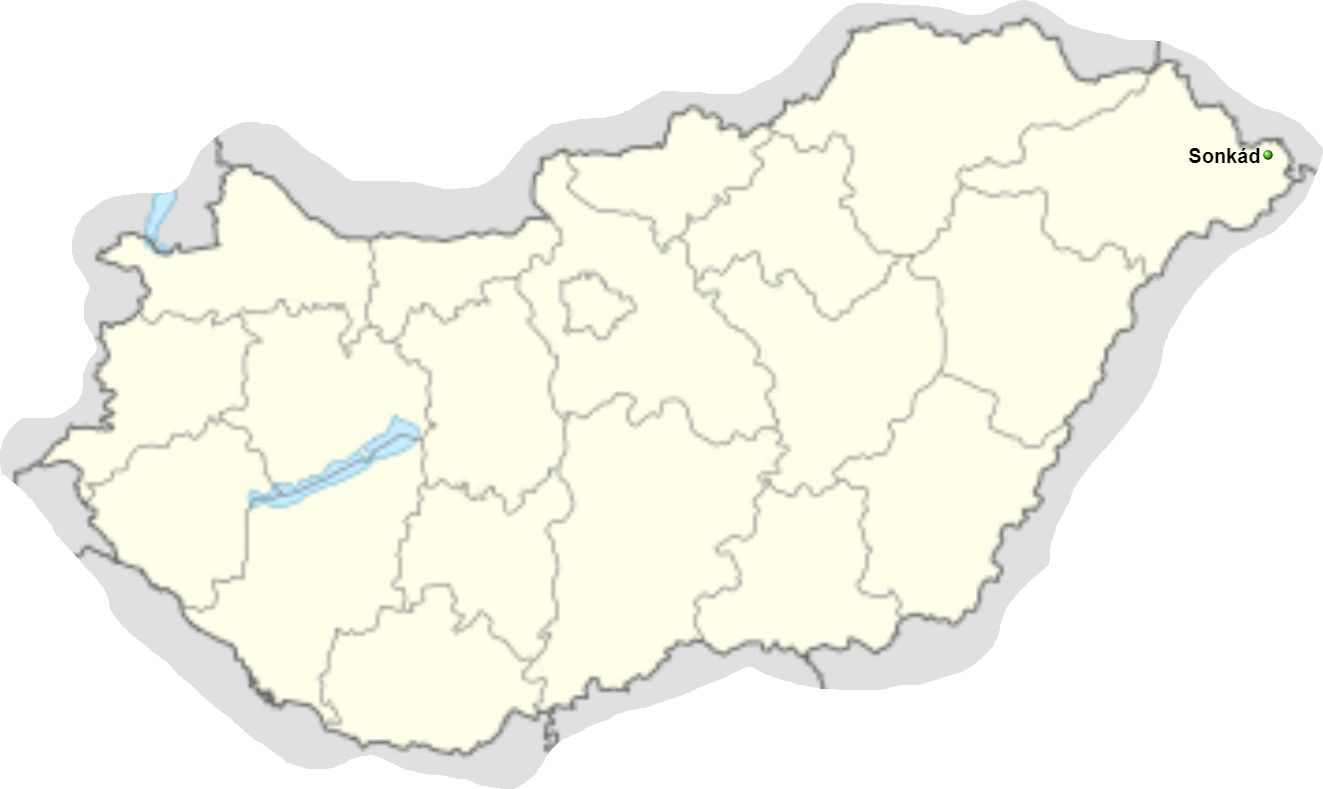
Sonkád is a village, located in Szabolcs-Szatmár-Bereg County. The name Sonkád is mentioned for the first time in 1181, in the certificate of the Cégény monastery.
According to written documents, his name was written as Sonkád, in 1426. At that time it belonged to the manor of Csaholy and they owned it until the extinction of the family.
In 1810, its owners were Ferenc Sulyok, Count László Teleki, Ádám Vay, Péter Kállay, Mihály Kerekes, György Kürthy, the Eötvös, Galgóczy and Makay families, who owned the settlement until the middle of the century.
The village suffered a great fire in 1884, and in 1890 another great fire destroyed it. At the beginning of the 20th century, Zsigmond Kölcsei Kende had a larger estate here.
Warning: Trying to access array offset on value of type bool in /var/www/clients/client1/web302/web/wp-content/themes/dt-the7/inc/class-the7-aq-resize.php on line 121
Warning: Trying to access array offset on value of type bool in /var/www/clients/client1/web302/web/wp-content/themes/dt-the7/inc/class-the7-aq-resize.php on line 122
Warning: Trying to access array offset on value of type bool in /var/www/clients/client1/web302/web/wp-content/themes/dt-the7/inc/class-the7-aq-resize.php on line 121
Warning: Trying to access array offset on value of type bool in /var/www/clients/client1/web302/web/wp-content/themes/dt-the7/inc/class-the7-aq-resize.php on line 122
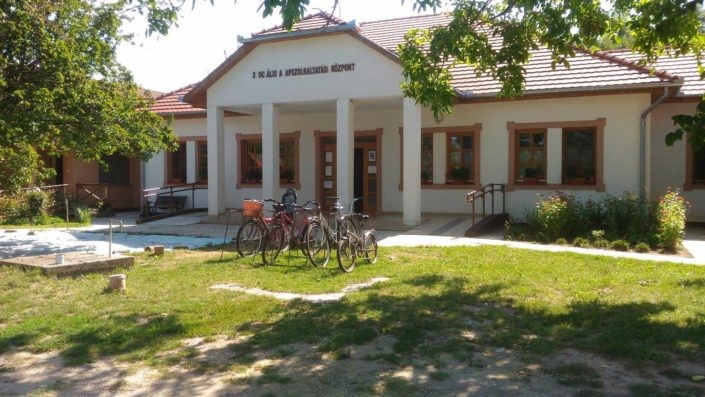
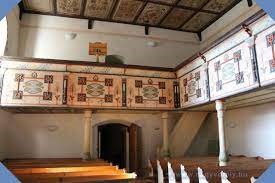
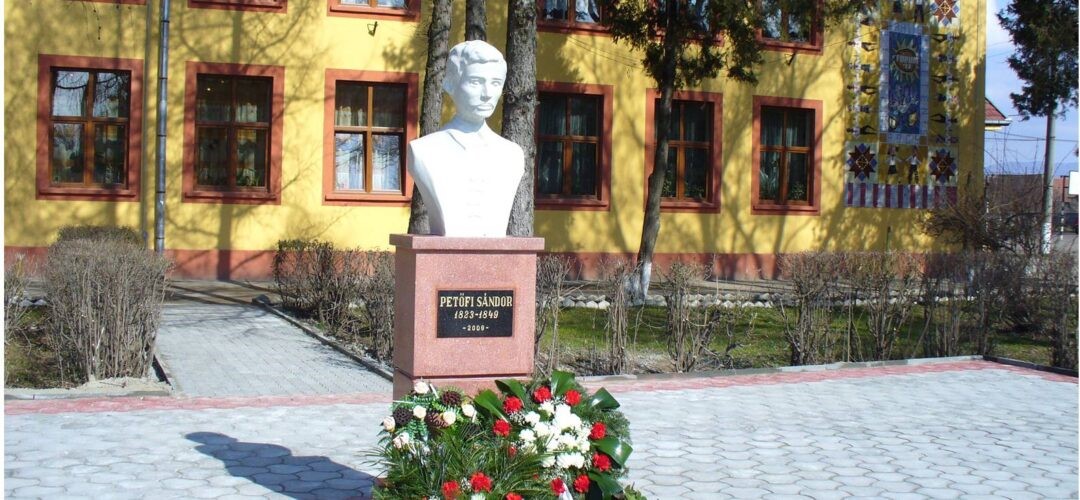
Livada is located in the county of Satu Mare in Romania.
The name Livada was first mentioned in 1270 in documents as Sarkuz. The village was located in the area divided by the Sár river.
The first known owner is Benedek Úr. In 1463, his name was written as Vylak.
The settlement was the ancient property of the Újlaki family.
In 1490 it belonged to Domokos Újlaki, and in 1552 to Sebestyén Ujlaki.In 1665, István Horváth, János Kende and Ferenc Sándorházy and his wife took part in it.In 1687, it was given to Gáspár Serédi, and then the wife of his daughter János Melczer of Przemyśl inherited it from him, and later it was mainly owned by the Melczer family.
At the end of the 18th century, in addition to the Melczer family, the Gabányi, Boronkay, Ráthonyi, Szeőke, Márton, Parajdi, Sepsy and Bónis families also received part of the estate here. By the mid-19th century, the Egey, Péchy, Jármi, Muraközy, Ternyey and Kerekes families were also added.
At the beginning of the 20th century, Károly Kiszely and Margit Péchy, daughter of István Péchy from Péchújfalusi, were landowners here.
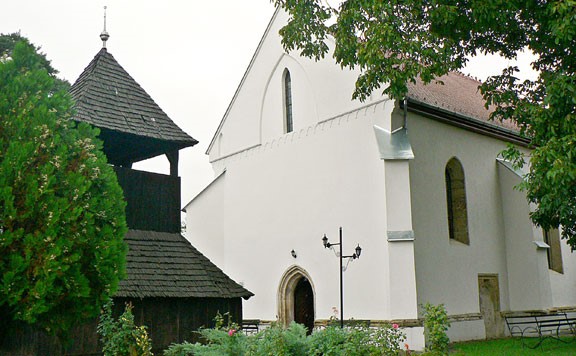
The reformed church was built around 1450 by Zsuzsánna Báthory, wife of Móricz bán. It was renovated in 1797 and 1900.
Warning: Trying to access array offset on value of type bool in /var/www/clients/client1/web302/web/wp-content/themes/dt-the7/inc/class-the7-aq-resize.php on line 121
Warning: Trying to access array offset on value of type bool in /var/www/clients/client1/web302/web/wp-content/themes/dt-the7/inc/class-the7-aq-resize.php on line 122
Warning: Trying to access array offset on value of type bool in /var/www/clients/client1/web302/web/wp-content/themes/dt-the7/inc/class-the7-aq-resize.php on line 121
Warning: Trying to access array offset on value of type bool in /var/www/clients/client1/web302/web/wp-content/themes/dt-the7/inc/class-the7-aq-resize.php on line 122
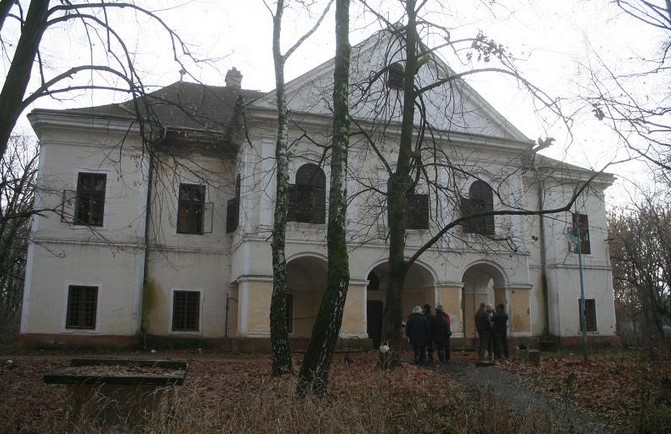
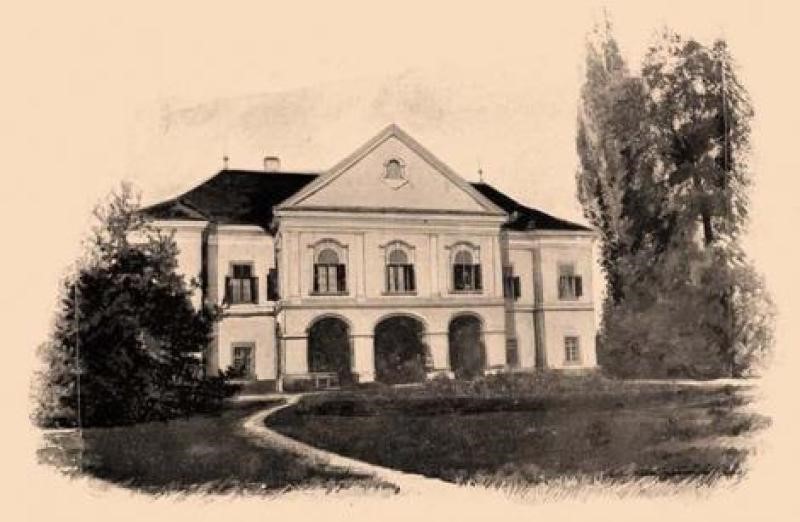
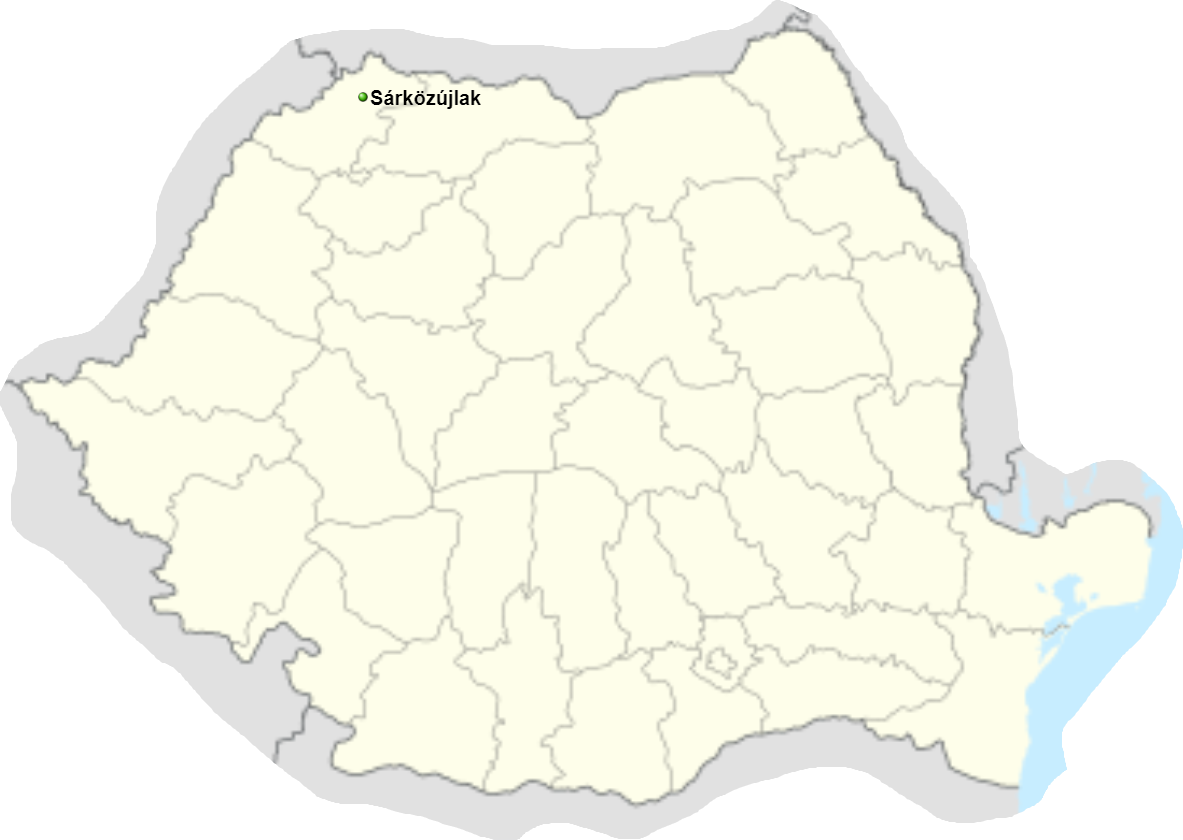
Noroieni village is located in Romania, Satu Mare county. A settlement in Satu Mare county, north of Lazuri, south of Nisipeni. Noroieni was already inhabited in the Árpád era.
Its name is first mentioned in documents in 1332 as Saar. In 1588, his name reappears as Pusztasár. In 1486, members of the Károlyi family received property here. In 1486, members of the Károlyi family received property here.
In 1493, the Szepessy family acquired new estates here.
In 1651, the Kállay girls and László Csalay receive a new donation for the entire settlement.At the end of the 18th century, it became the property of the Járdánházi Kováts family and remained theirs until the middle of the 19th century.
At the beginning of the 20th century, its older owners were Jenő and Sándor Kováts from Berenczei and Járdánházi.
Warning: Trying to access array offset on value of type bool in /var/www/clients/client1/web302/web/wp-content/themes/dt-the7/inc/class-the7-aq-resize.php on line 121
Warning: Trying to access array offset on value of type bool in /var/www/clients/client1/web302/web/wp-content/themes/dt-the7/inc/class-the7-aq-resize.php on line 122
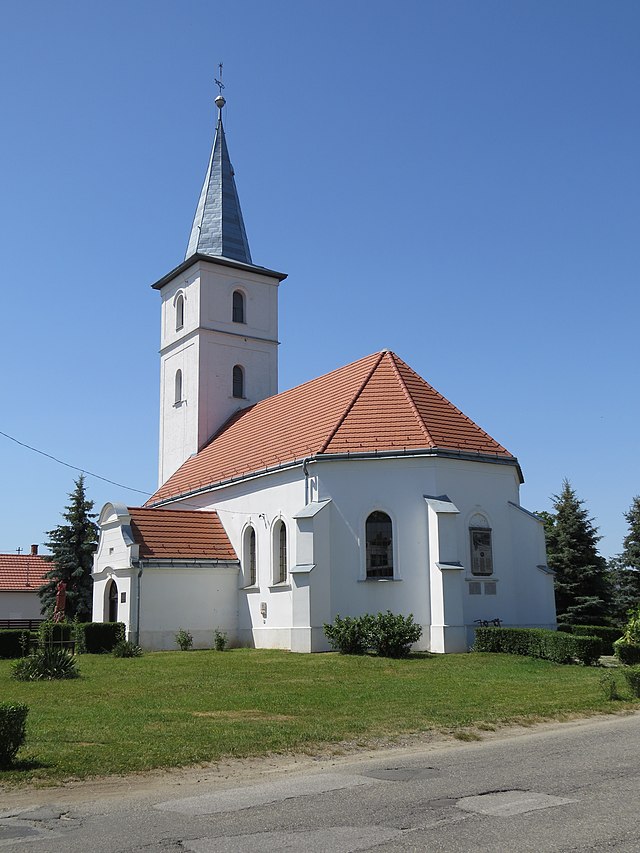
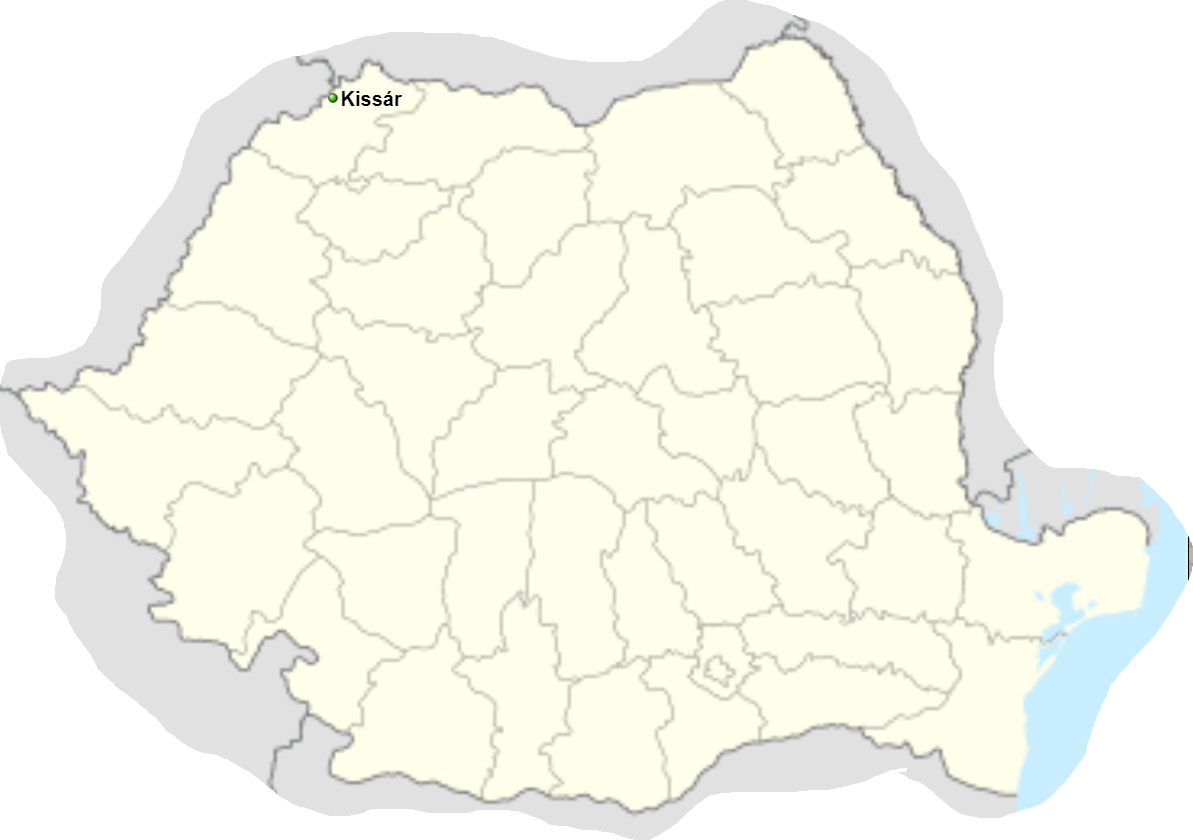
Nisipeni village is located in Romania, Satu Mare county.It is a settlement in the northern part of Satu Mare county, north of Satu Mare and west of Micula. The settlement and its surroundings have been inhabited since ancient times.
Stone, bronze and Migration Age artefacts have been found in its surroundings.
His name appears in certificates in the 15th century, and his name was already written as Nisipeni.
At the time, its owners were the Csernavoday, Károlyi, Drágfi and Matuchsinay families, with others receiving smaller parts. In 1493, Elek Csernavoday pledged his own share to Miklós Matucsinay for 400 gold forints. In 1406, a certificate from a border traveler mentions the land of Kisnémeti, which is separated from Nisipeni by the river Nádasd. The village of Nisipeni often changed owners in the 16th century.In 1526 it was the property of the Derecsényi, Tegzes, Ormós and Tárkáni families. In 1640, János Torday and György Anarcsy’s wife, Judit Göd, received a share of it. In 1651 László Csalay, Perényis and Katalin Kállay won a donation for the entire locality.
In 1652, Zsigmond Lónyay, and in 1687, László Károlyi received part of the estate here. In 1717, the village was saved from the Tatar invasion by the surrounding marshes.In the late 1700s, it had several owners: the Járdánházi, Berenczei Kováts, Magyaraldi Boros, Daróczy, Kanizsai, Nagy, Udvarhelyi, Szijártó and Gödényházi Gödeny families, who owned here until the mid-19th century.At the beginning of the 20th century, its biggest owners were Jenő and Sándor Kováts and Sándor Gödény.
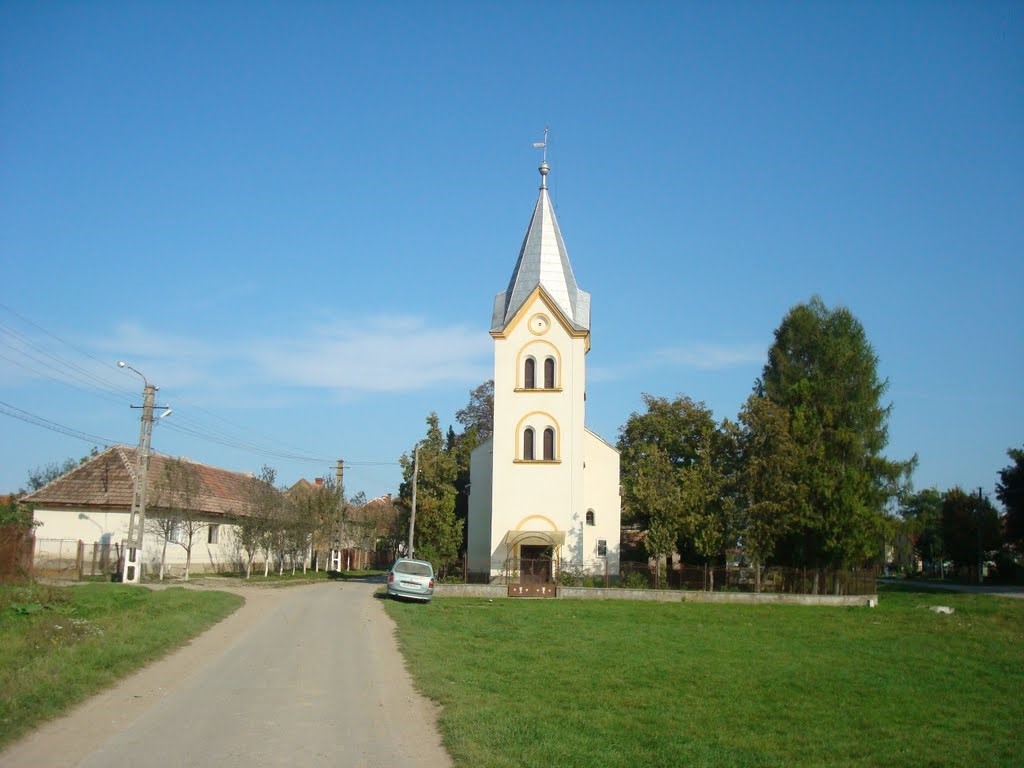
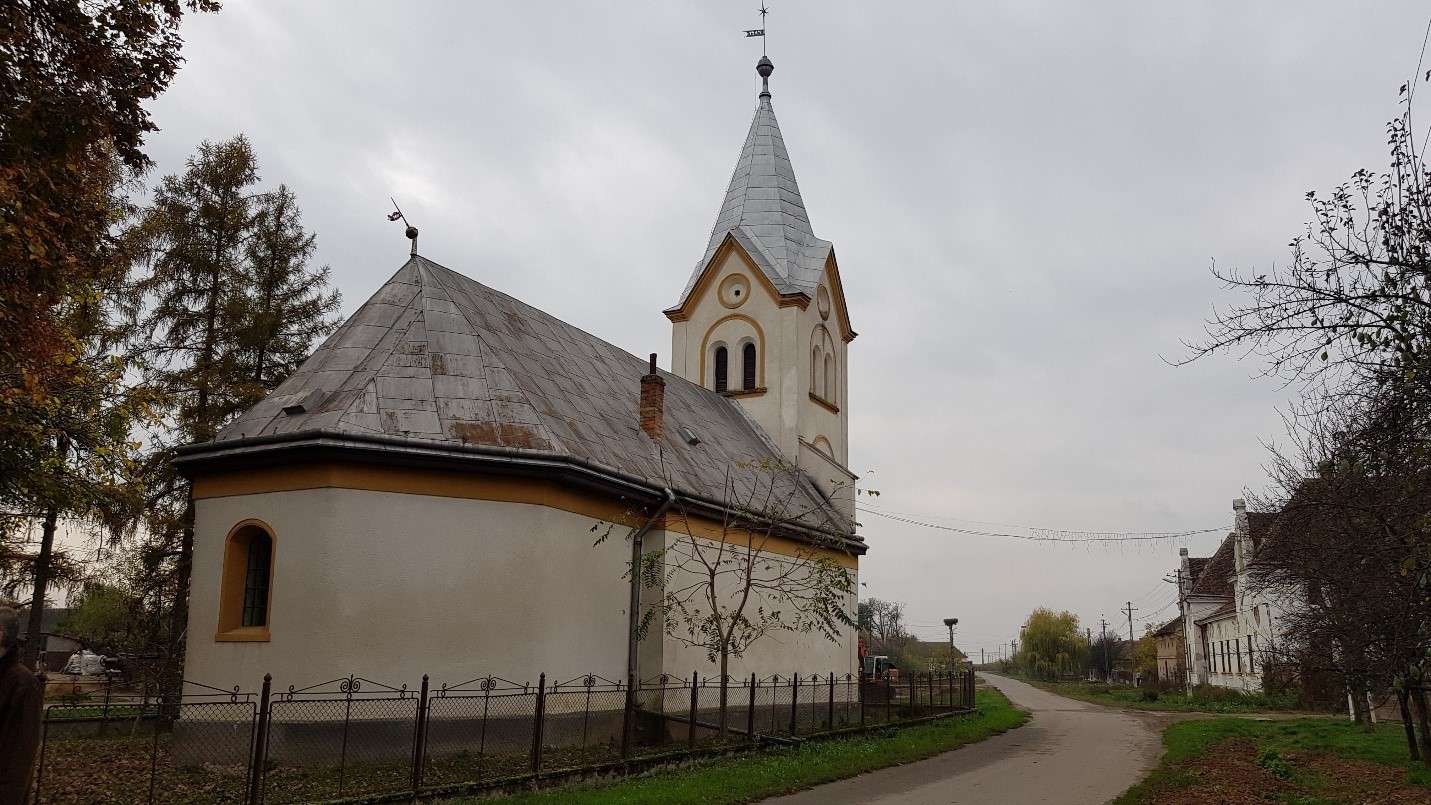
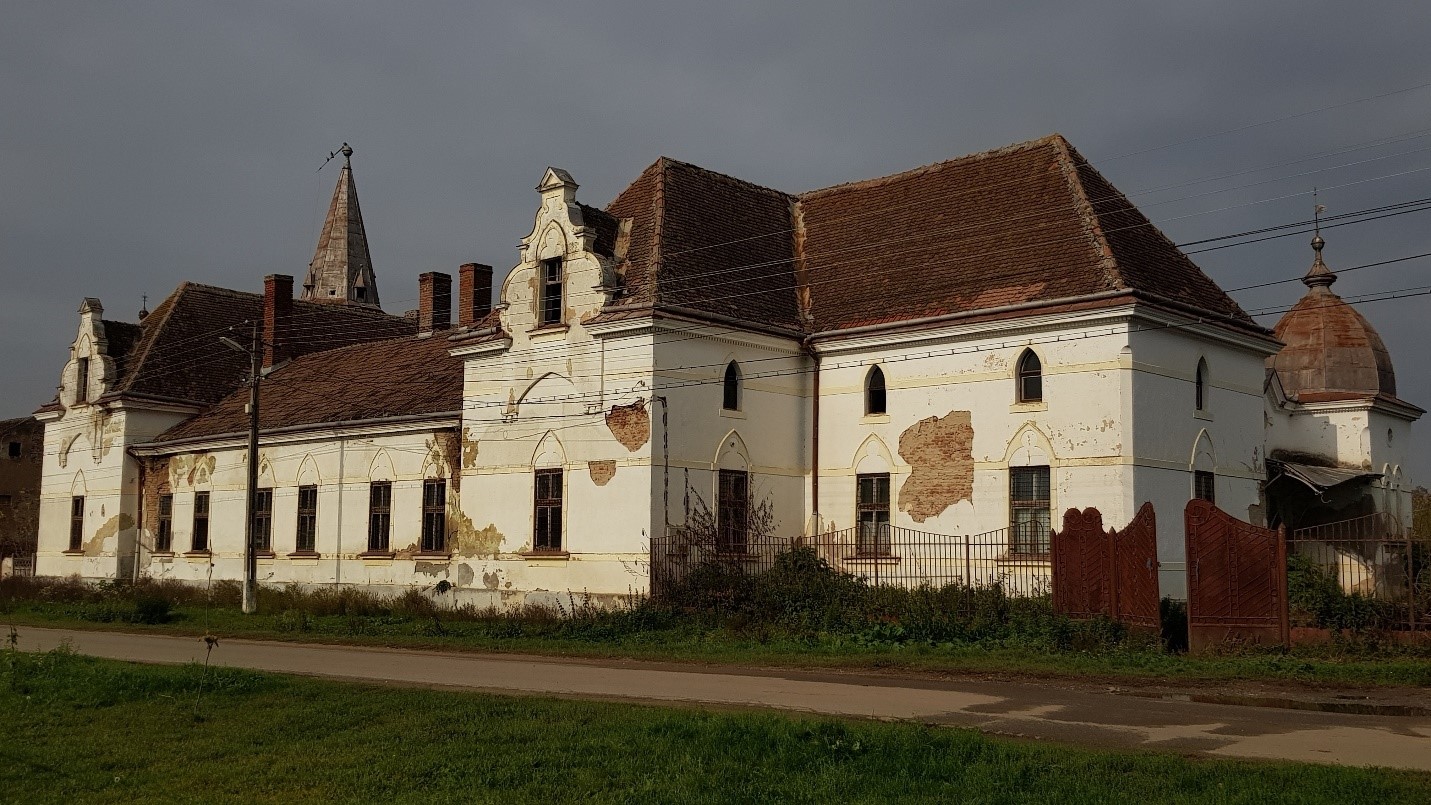
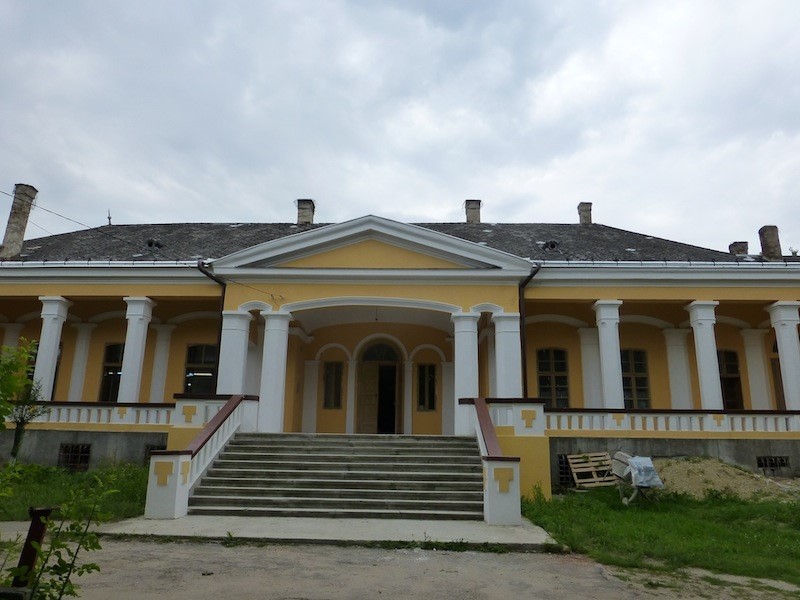
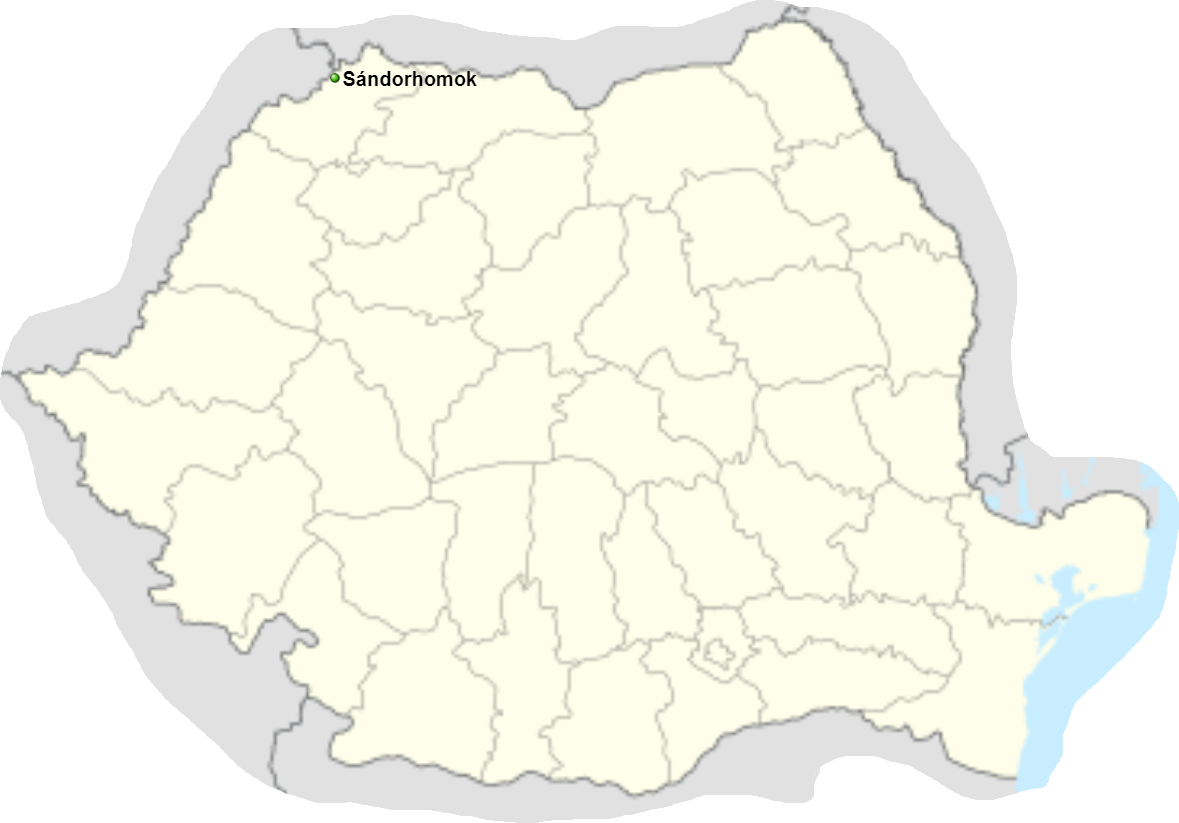
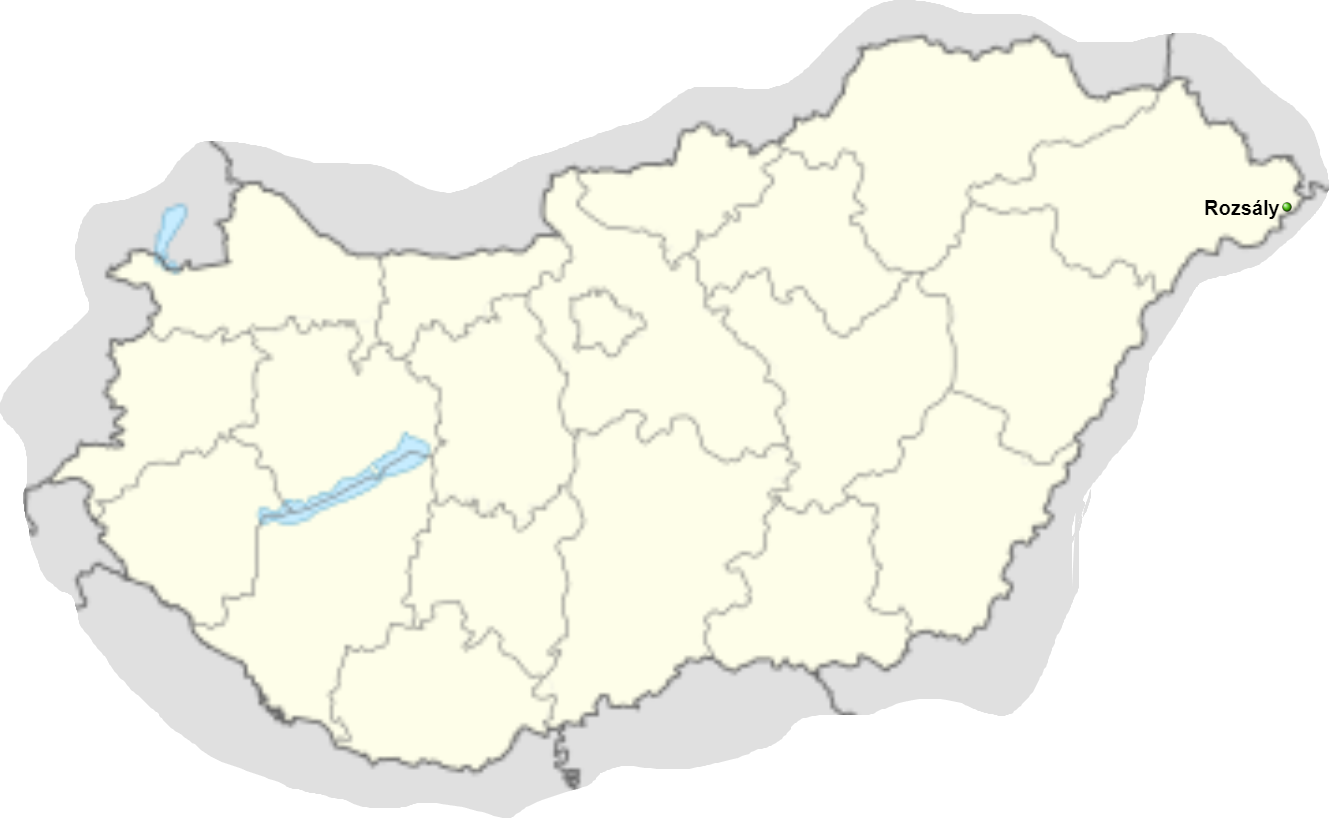
Rozsály, village in Szabolcs-Szatmár-Bereg County, Hungary. Rozsály has been an inhabited place since ancient times.
According to the data from 1332, there is already a village here. In the 15th century, there were two Rozsálys, their names were written as Kisrosal and Naghrosal.Nagyrozsály is the property of the Rosályi Kún family of the Gutkeled family, it was already theirs in 1291. Kisrozsály belonged to the Atyai and Gacsályi families in the 15th century, but later it also belonged to the Rosályi Kún family.
In 1445, the huge Rozsály manor already consisted of 50 settlements, including Csaholy (Nyírcsaholy), Zalka (Mátészalka), Jármi, Jánosi (Kántorjánosi) and Hodász, more than 50 km away.In 1564, János Zsigmond Ecsed (Nagyecsed) besieged and captured it. The Rozsály manor remained at Kúnos until István Kún died during the archbishop’s reign. In the 18th and 19th centuries, the Lónyay family, the Surányi family, the Becsky family, the Ujhelyi, Pogány and Rhédey families also became owners.
At the beginning of the 20th century, its owner was Elemér Isaák.
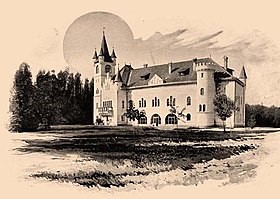
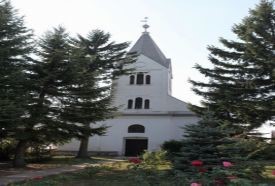
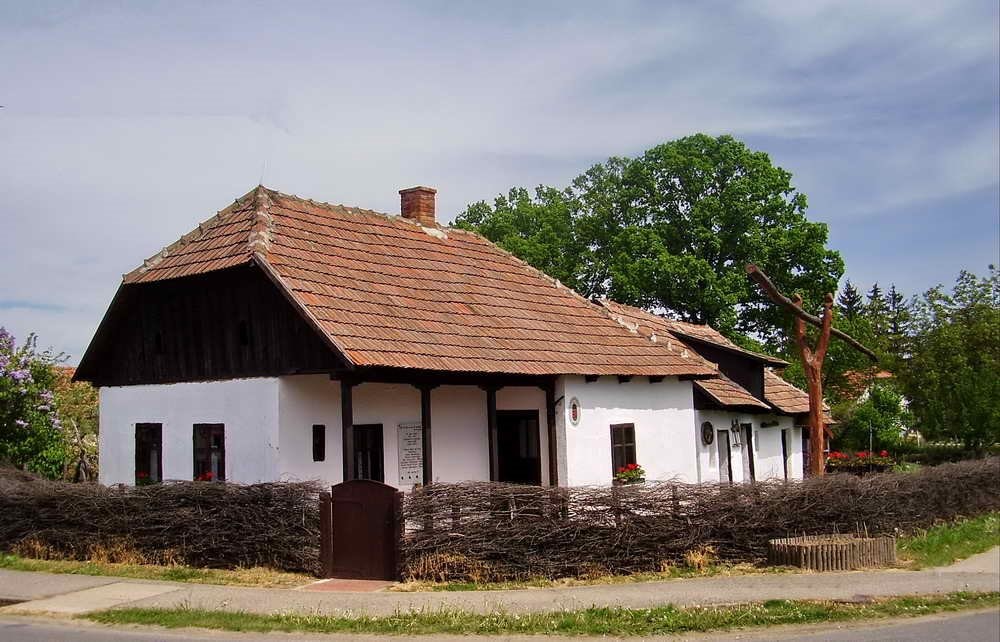
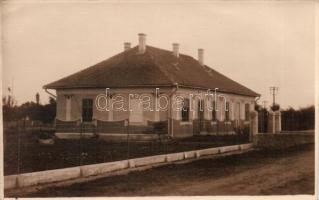
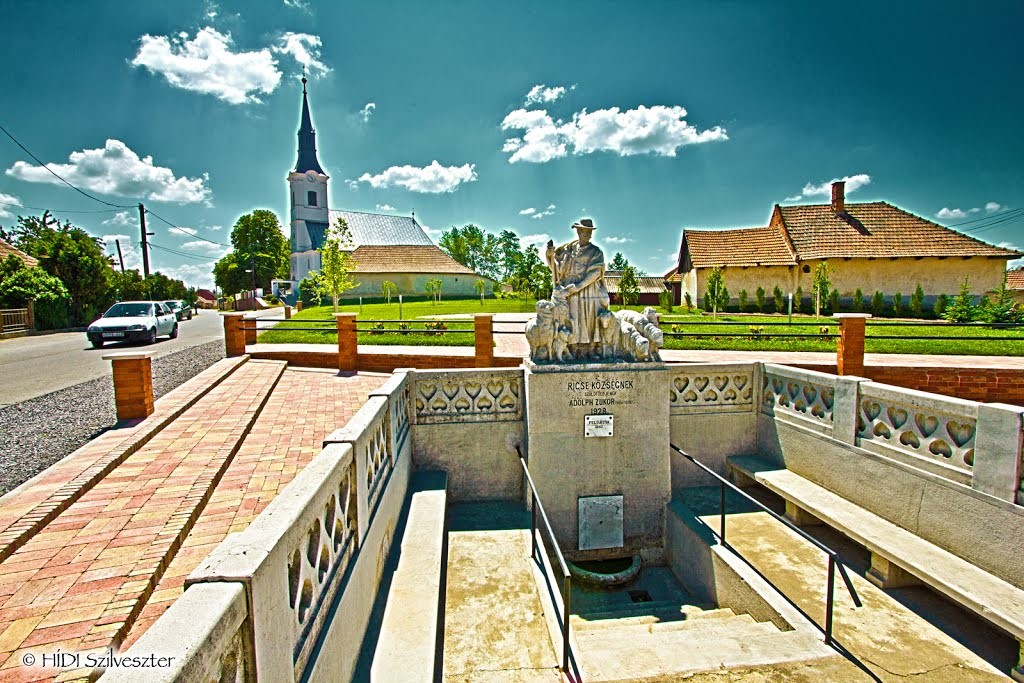
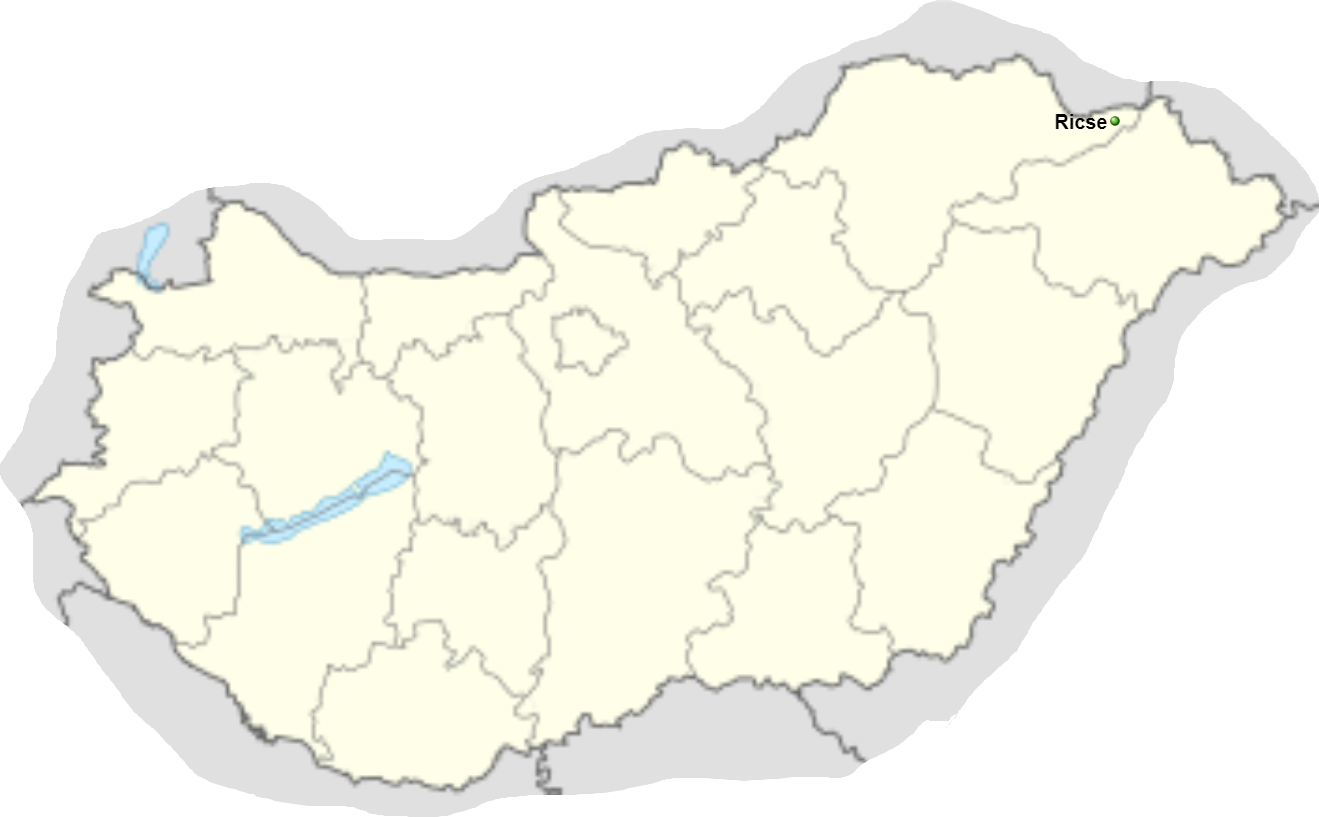
Ricse commune is located in Borsod-Abaúj-Zemplén county, in Hungary. The name Ricse is of Slavic origin.
Settlement from the Árpád era, which was donated to the Lelesz monastery by Bishop Boleszló of Vác.
Until the regulation of the Tisza, it was one of the most closed settlements in Bodrogköz. In the 1700s, 5 families settled in the village: Máté, Vécsy, Körmöndi, Deák, Kocsi. In the early 1900s, it belonged to the Bodrogközi district of Zemplén County.
In 1910, out of 1955 inhabitants, 1954 were Hungarians. Of these, 259 were Roman Catholics, 1,439 Reformed, and 129 Israelites.The importance of Ricse in the life of the region increased after the Peace Treaty of Trianon.It took over the role of the seat of Bodrogközi district from Királyhelmec, which was located on the other side of the border, and except for the period between 1938-1950 it kept it until February 1, 1956, from 1950 already under the name of Ricsei district.
The settlement was home to a significant number of Israeli communities, whose members operated banks and mills. As a result of the Holocaust, their community practically ceased to exist.
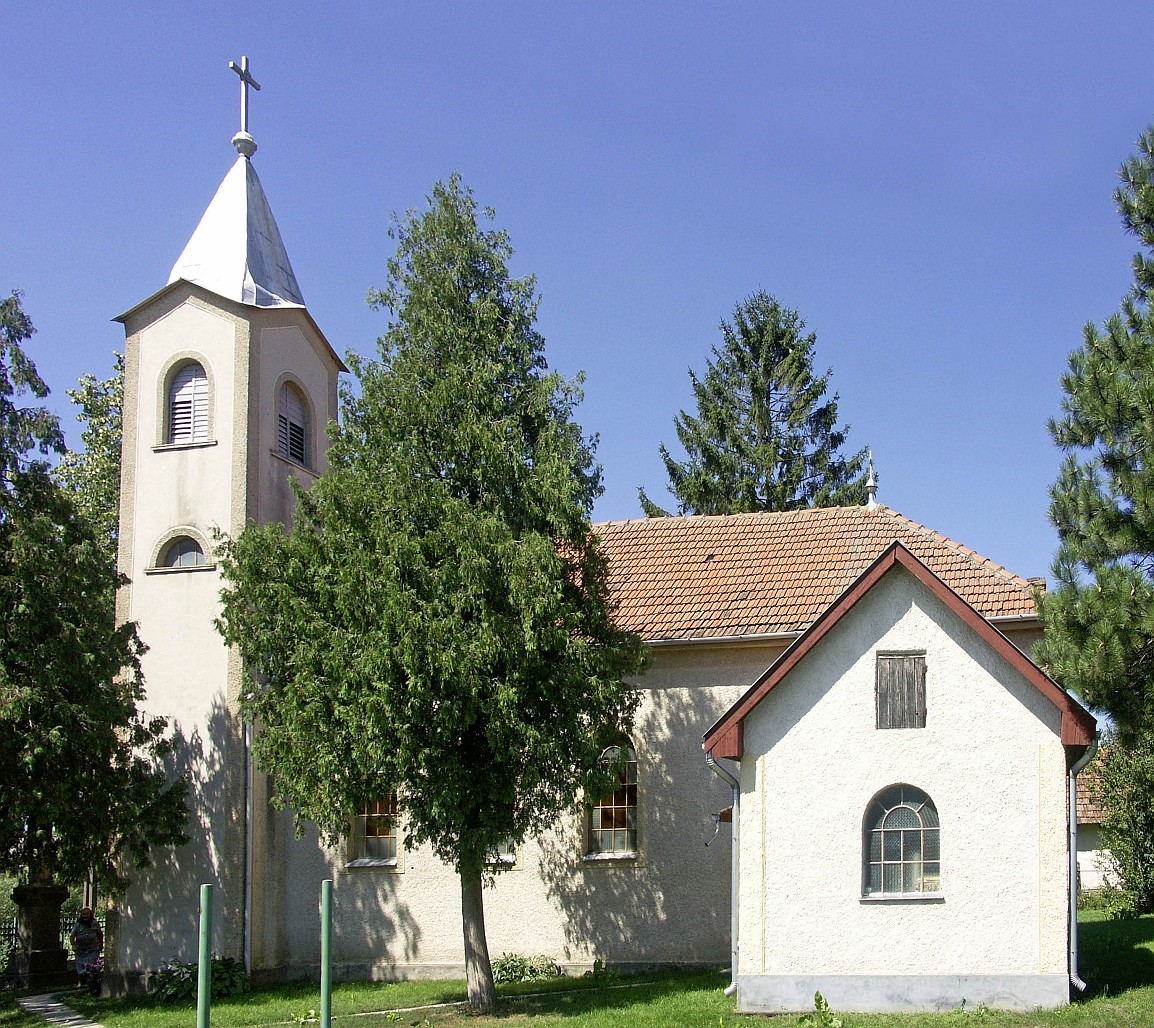
Dorolț is a village in Romania, Satu Mare county.It is located in the eastern part of Satu Mare County, north-east of Satu Mare, near the Romanian-Hungarian border. Dorolț’s name was first mentioned in 1220 in a document related to a trial. In 1323, the certificate of King Róbert Károly mentions Lázár, the first owner of the settlement after the Tatar invasion.Until 1462, the owner of the settlement was the Lázár Daróczy family, after its dissolution, after 1462 János Nádasdy, Miklós Drágfi and Péter Szállási Erdélyi received a royal donation. In 1469 it is occupied by Egyed and Domokos from Cernavoday. In the 15th century, most of the settlement belonged to members of the Derecsényi family.
In 1526, the village was given to Péter and Pál Derecsényi, but the Tárkányi, Ormós, Thegzes and Wethéssy families also received smaller shares here.
In the 1700s, it belonged to the Károlyas family, and at the end of the century, the families of Counts Barkóczy, Kanizsay, Nagy, Patay and Becsky.At the beginning of the 20th century, it belonged to the descendants of Ilona Jékey and László Nagy. In 1910, it had 500 Hungarian inhabitants, of whom 78 were Roman Catholics, 159 Greek Catholics and 229 Reformed.
Warning: Trying to access array offset on value of type bool in /var/www/clients/client1/web302/web/wp-content/themes/dt-the7/inc/class-the7-aq-resize.php on line 121
Warning: Trying to access array offset on value of type bool in /var/www/clients/client1/web302/web/wp-content/themes/dt-the7/inc/class-the7-aq-resize.php on line 122
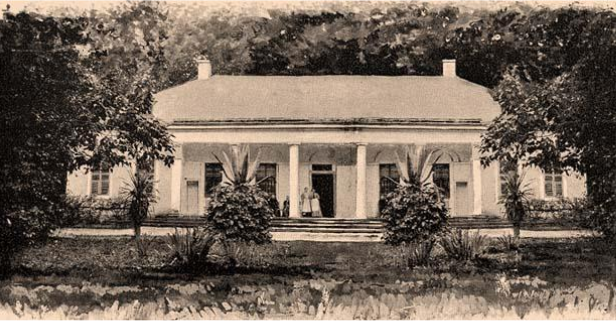
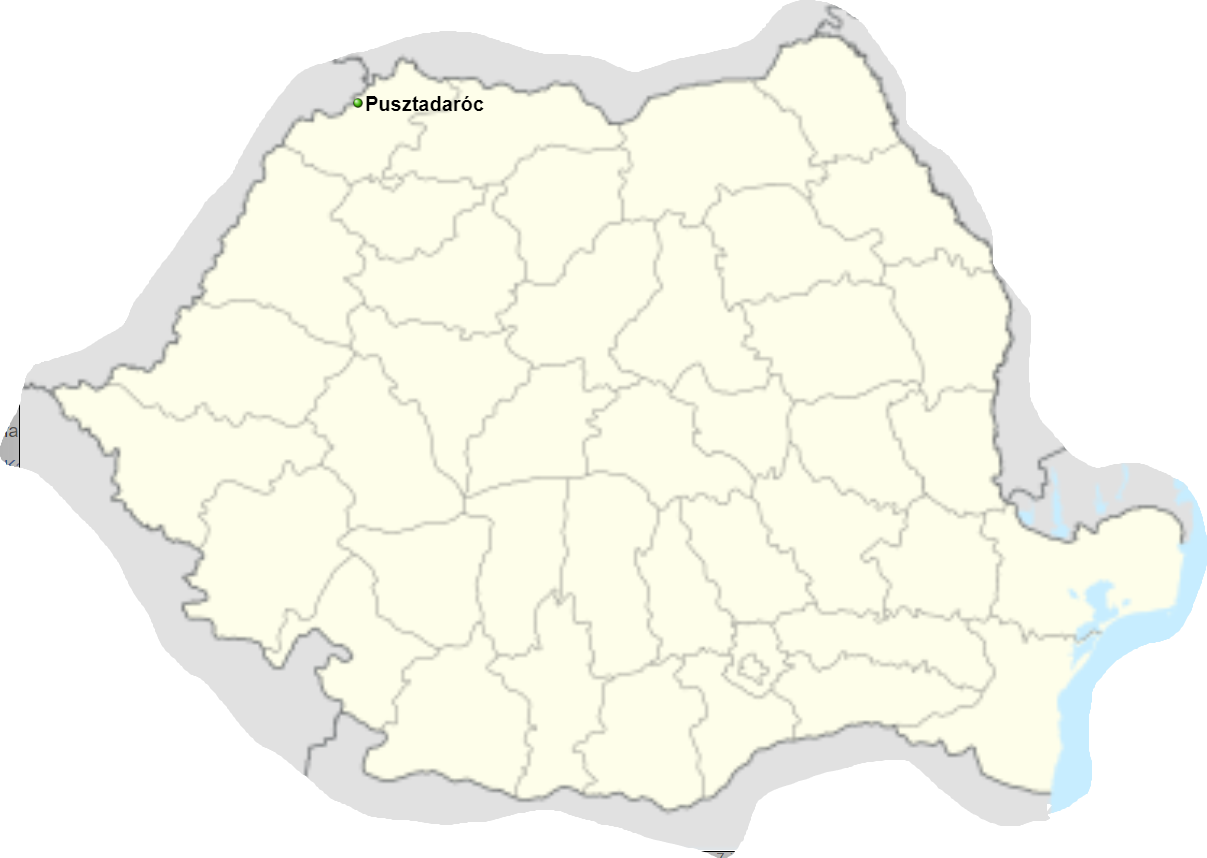
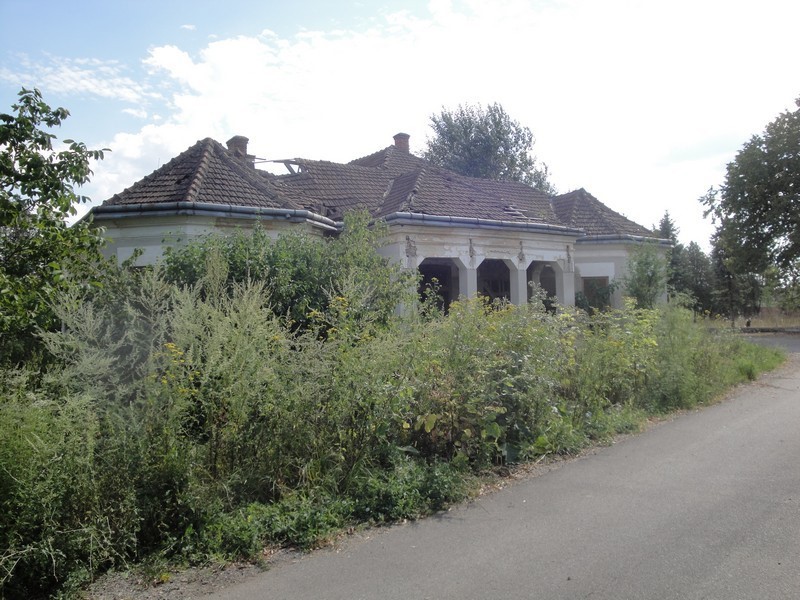
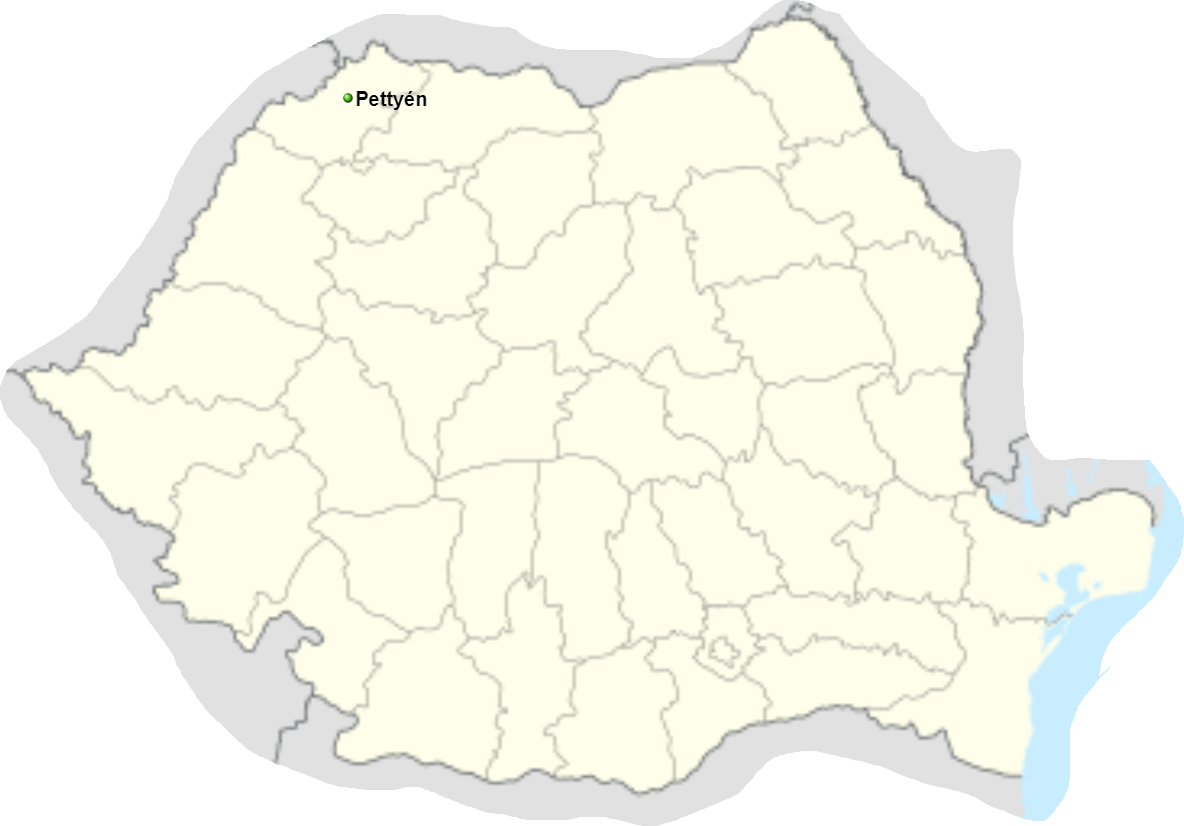
The Pettyén settlement is located in Romania, Satu Mare county. A settlement in Satu Mare county, south-east of Satu Mare, on the banks of Someș, between Satu Mare and Ambud. Its name was first mentioned in 1391 in documents as Pethwan.In 1563 it was written as Pettyén, otherwise known as Bazánd. In the 15th and 16th centuries, it belonged to members of the Báthori family, who received a new royal donation in 1417.In 1550, György Jó, Mihály and Vilmos, sons of Demeter of Pettyén, owned part of the property here.In 1563, Tamás Szabó also received a property share here. At that time, his name was already written as Pettyén.The settlement was destroyed in the 17th century.In 1726, Sámuel Nagy Böszörményi received a royal donation, and from 1820, in addition to them, members of the Szeleczky, Virág, Décsey, Szentkirályi and Baron Apor became owners here until the middle of the 19th century.At the beginning of the 20th century, it was owned by Sándor Böszörményi.
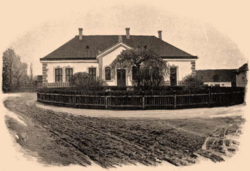
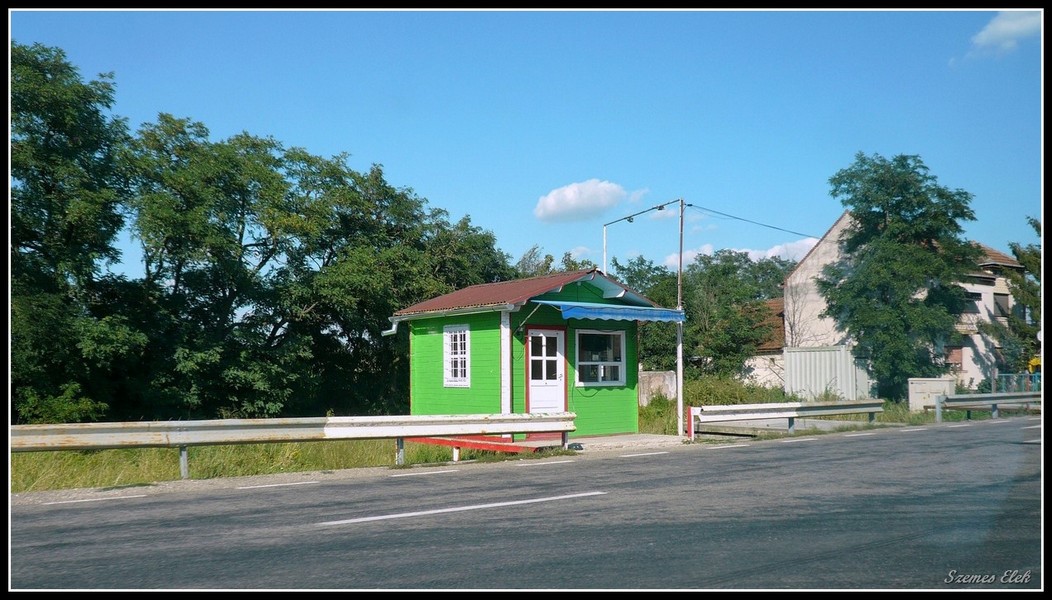
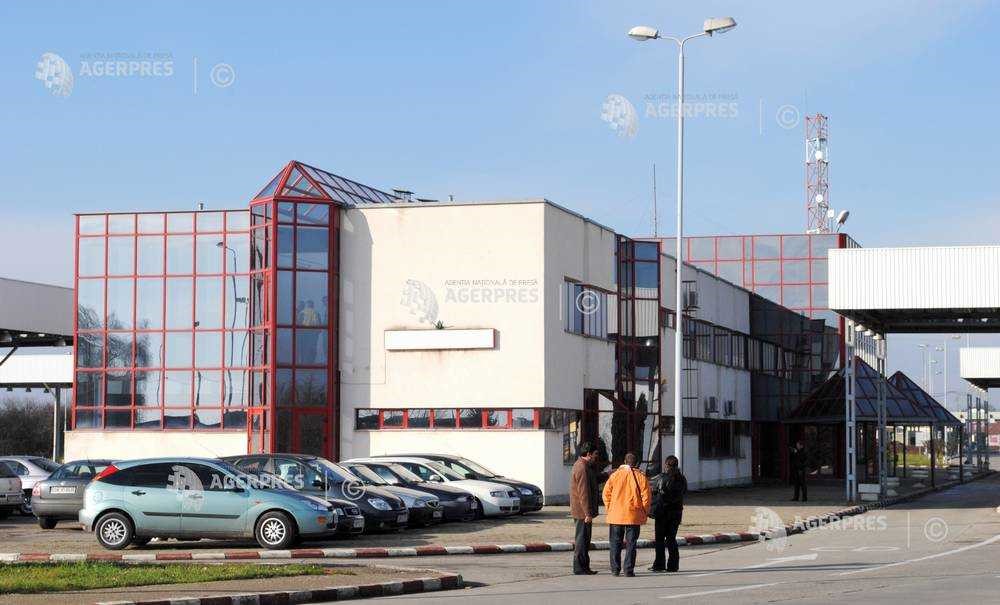
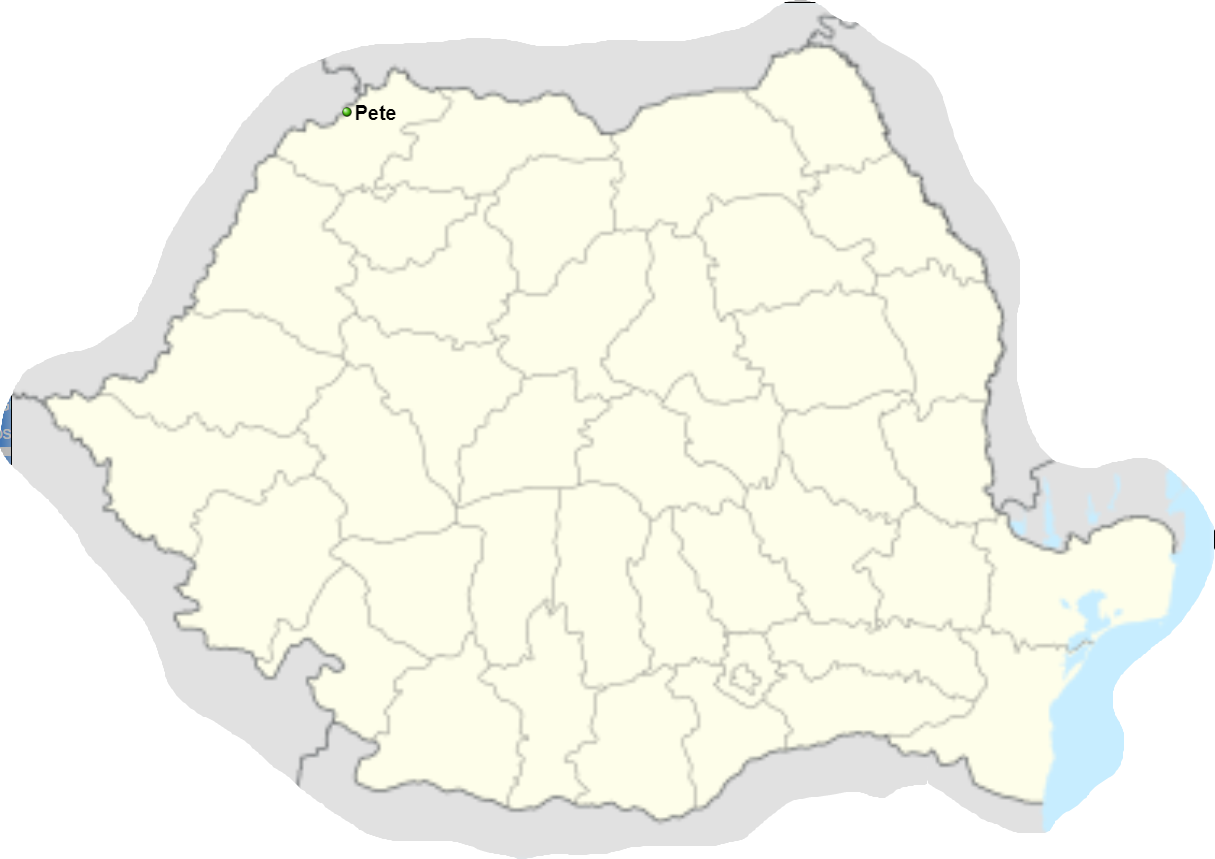
Petea is a village in Dorolț commune, Satu Mare county, Transylvania, Romania.The town is located on the western border of Romania, on DN19A, being the border point with Hungary. Traffic of people and goods is allowed through the border point. The town is located about 8 km from the municipality of Satu Mare.
The village is attested for the first time in 1215 in the Regestrum Varadinense, where a Pristaldus (judicial official in the court of the Kingdom of Hungary) named Kázmér, originally from the village, is mentioned.
In 1314, Tiba’s son of the Gutkeled family: master Mihály, the ancestor of the Apagyi family and his son István, Tiba’s son Péter, the ancestor of the Atyai family and his brothers: László, János and Tamás divided their inherited estates.In 1409, the Csáky family was incorporated into half of the settlement, while the Drágfia were incorporated into the other half.In 1431, it is passed as the property of the Károlyi family, in 1437 of the Gacsályi family, but in 1470 the Csató family also owned property here.
Petea was already mentioned as a wasteland in 1455 and remained a wasteland until the 18th century.His name is mentioned in a 16th century Reformed church calling card as Kun Pete.The settlement was decimated by wars, plague and the Tatar invasion of 1717, which did not develop much in those days. In the 18th century, Count Sándor Károlyi became the owner, who moved it with Romanians.After the border change at Trianon, it was placed on the Romanian side. Today it is part of the border station Petea-Csengersima. Its inhabitants are mainly engaged in agriculture.
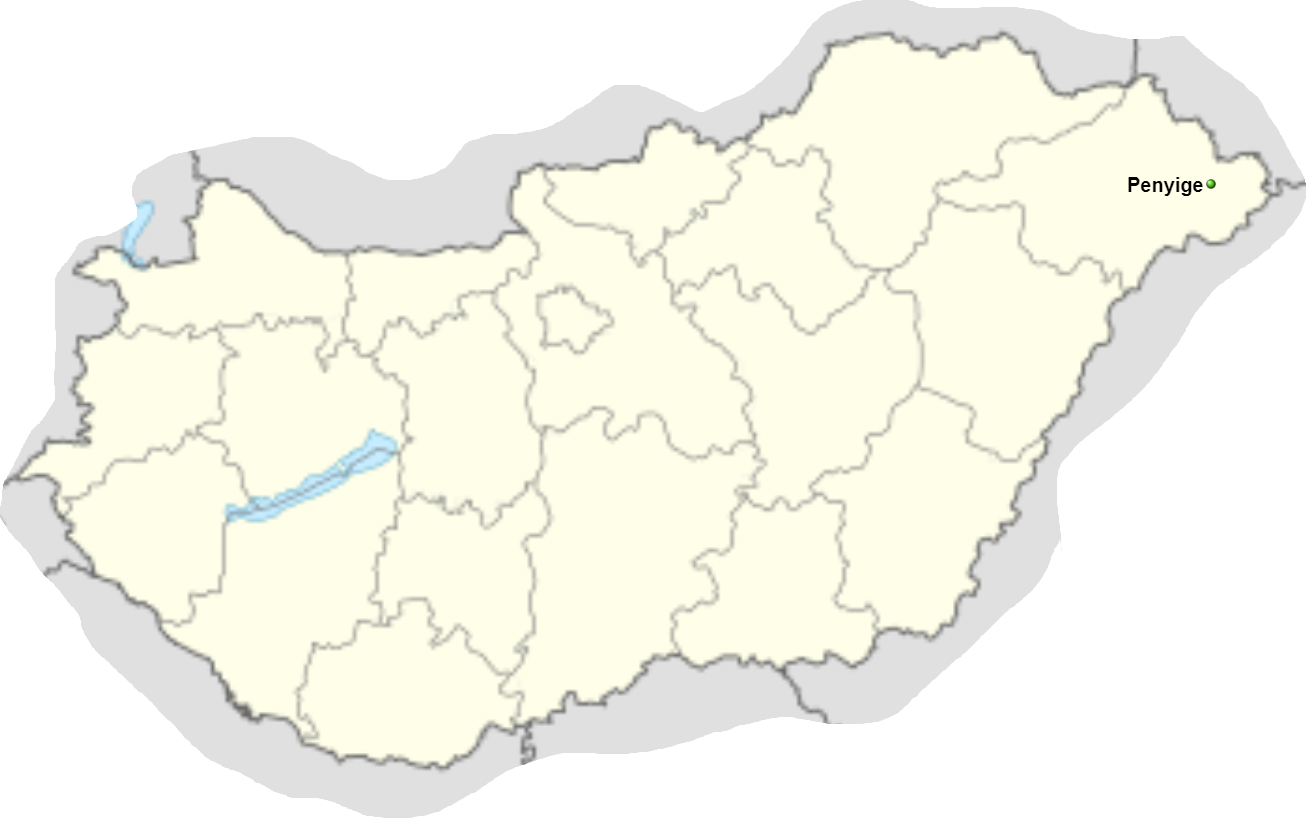
Penyige village is located in Szabolcs-Szatmár-Bereg County. The first written mention of Penyige is known from 1181. From 1332, his name remained in the form of Penge, in 1435 it was recorded in the form of Penige. The settlement was the ancient property of the Domahidy family.
In 1423, two-thirds of the settlement was given to the Kölcsey family. György Domahidy pledged his share of the estate to István Csáky in 1427, and then to the Ujhelyi family in 1446. In the 18th century, it was owned by the Lővey, Kállay, Jármy, Bessenyei, Orosz and Tőrös families.
In 1630, Imre Mosdóssy, then in 1638 Gáspár Szuhay, Mátyás and Anna received the entire locality as a royal donation.