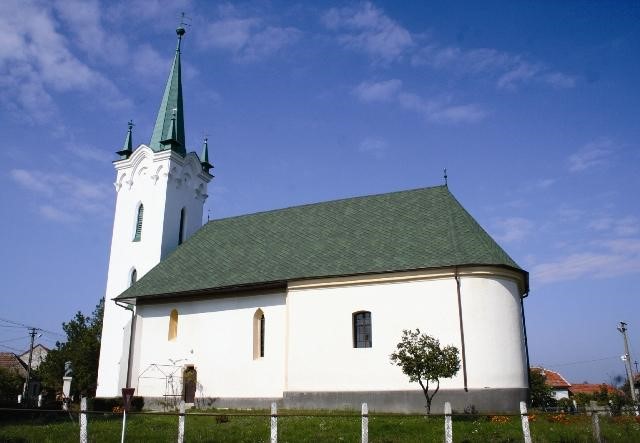
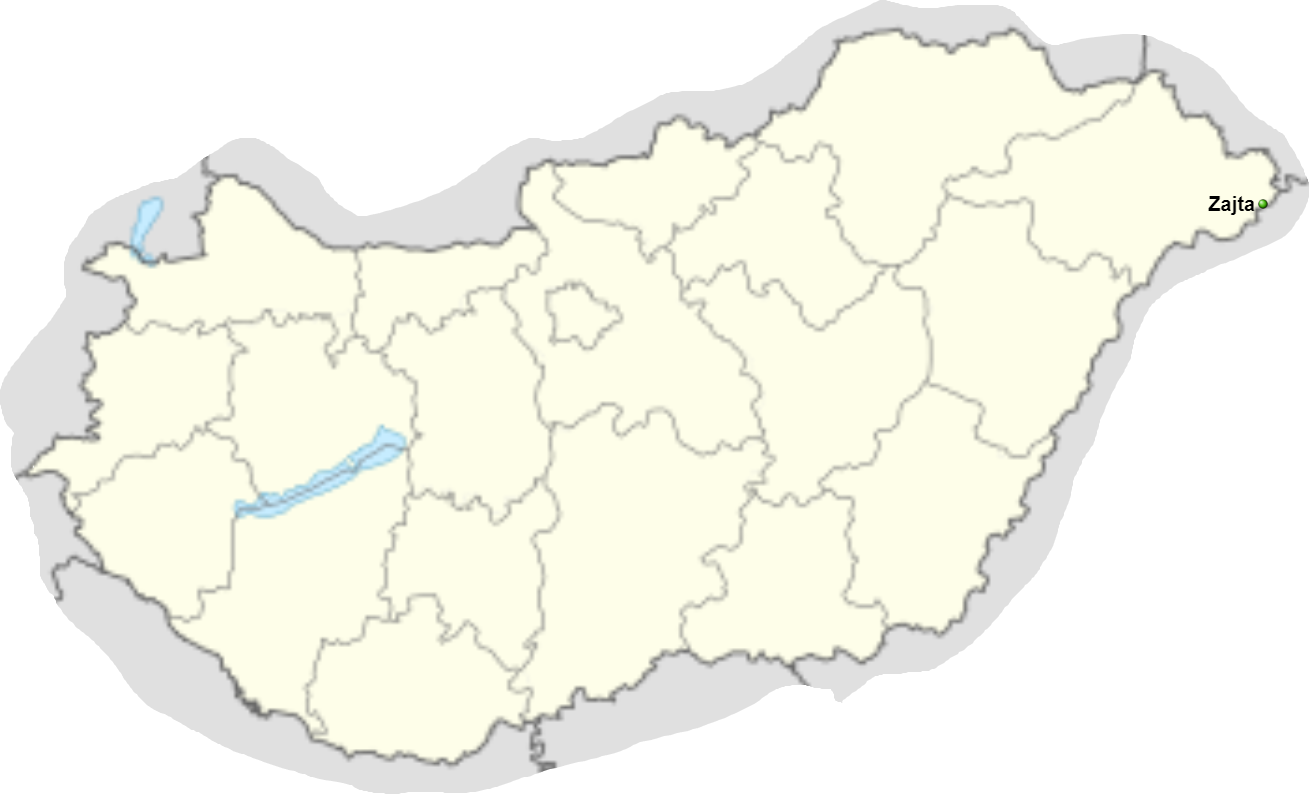
The village of Zajta is located in Szabolcs-Szatmár-Bereg County, Hungary. In 1314, it is mentioned for the first time under the name of Zalyta, as a settlement belonging to the Gutkeled family.
In 1314, master Mihály, son of Tiba, belonging to the Gutkeled family, the ancestor of the Apagyi family, shared his inherited estates with his brothers László, János and Tamás.
In 1461, its name was already written as Zaytha, its owners at that time were the property of the Bekcs and Atyai families. In 1462, the son of András Atyai died without an heir, his estate was given to the Rozsályi Kúnok family, who in 1476 bought the estate of the Gacsályi family, and from then on it belonged to the Rozsályi manor and shared the fate.At that time, Germans from around Erdőd settled here, who rebuilt the ruined church. In the early 1800s, the owners of the settlement were the Maróthy, Becsky, Morvay, Osváth and Pongrácz families, and later the Ujhelyis.
In 1910, it had 608 inhabitants, mostly Hungarians.
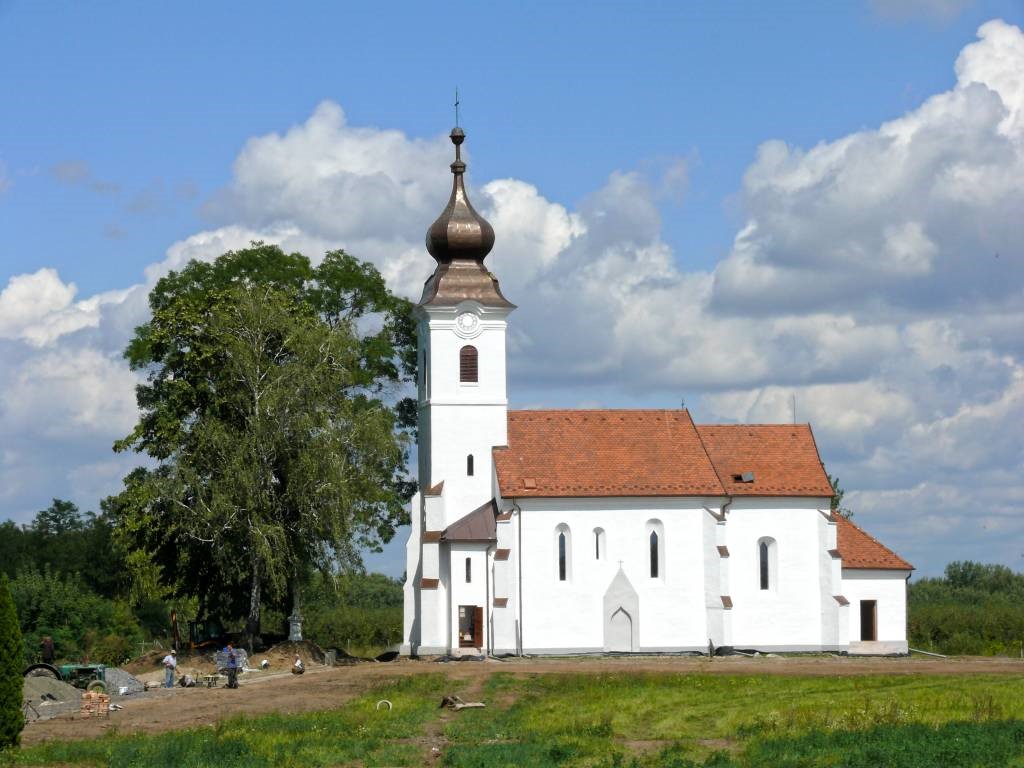
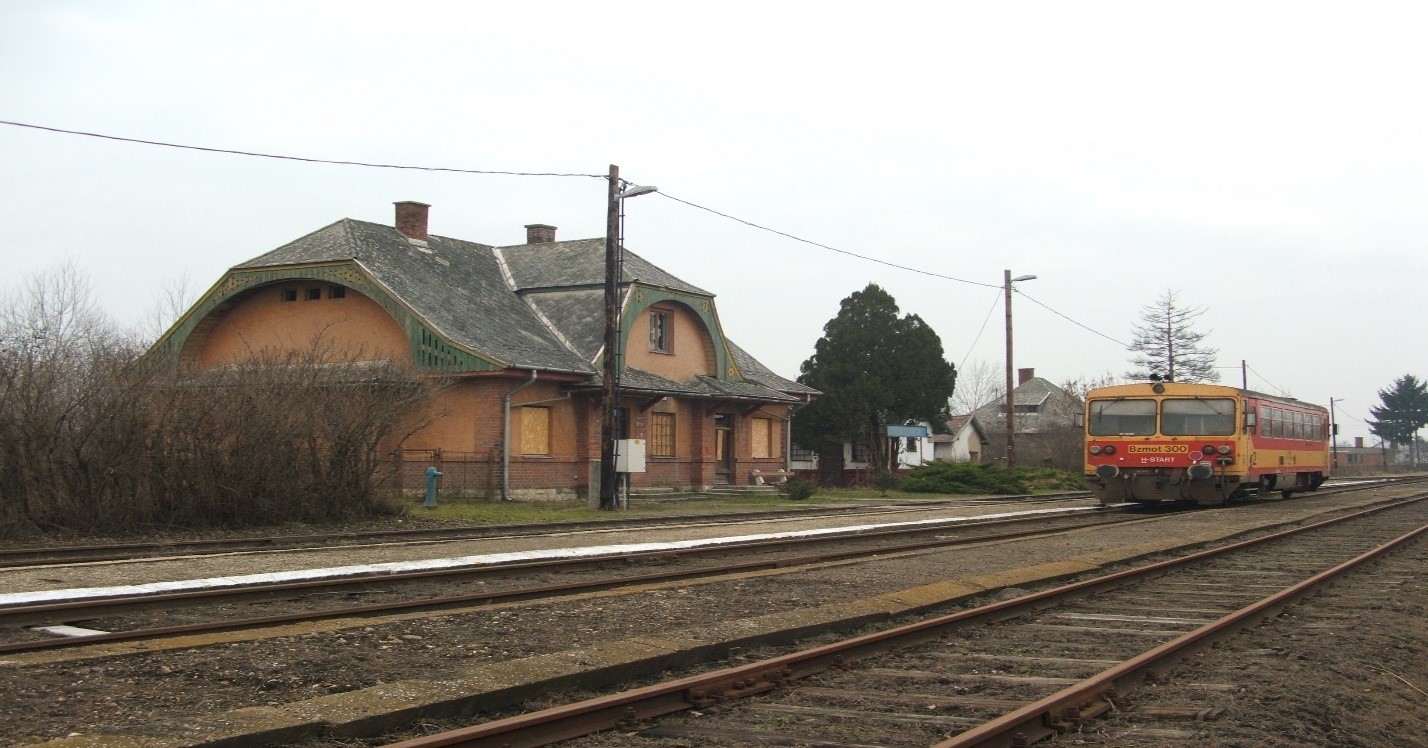
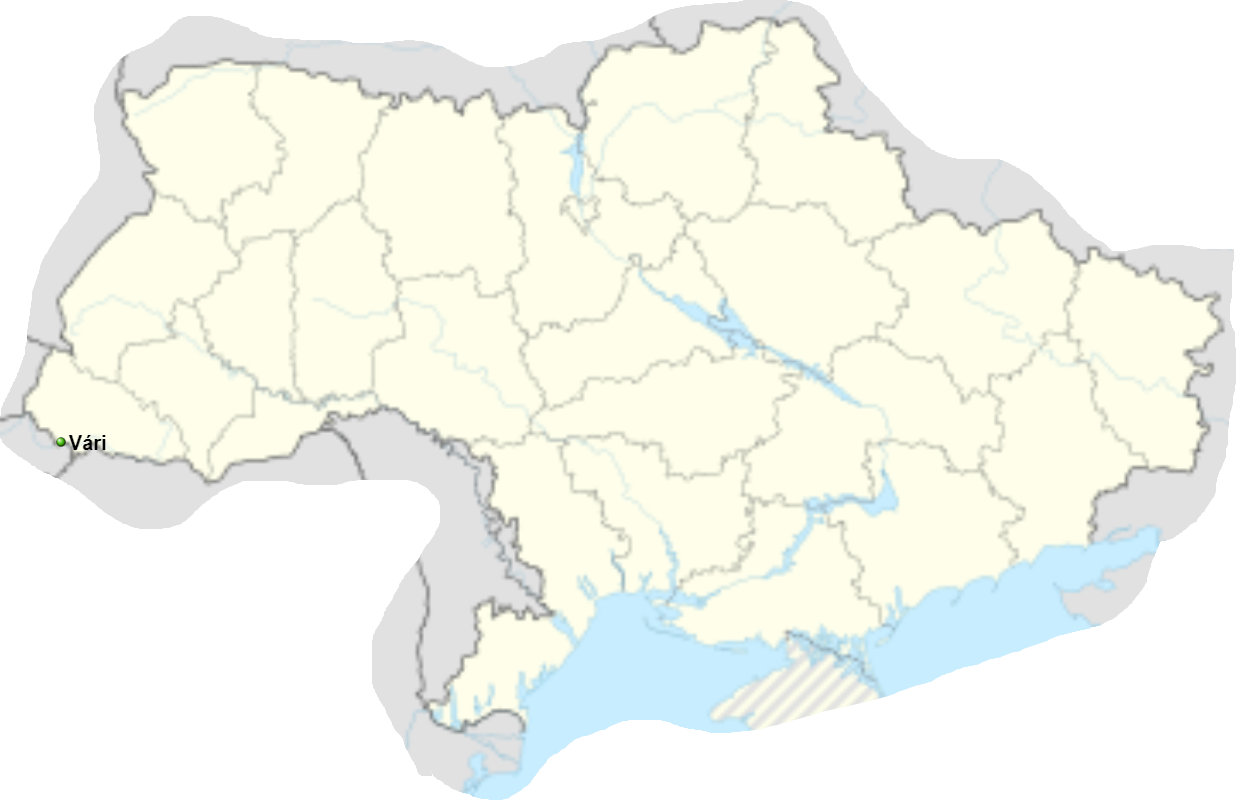
Vári (until 1899 Mezővári, in Ukrainian Вари (Vari / Vary), in Slovak Variová) is a village in Subcarpathian Ukraine in Beregszász Raion, 17 km southeast of Beregszasz, at the mouth of the Tisza Borzsa.
Its name comes from the Hungarian noun castel, which it got from its old earthen castle.
It is mentioned for the first time in 1320 under the name of Vári, before being called Borsovavár.It was mentioned in 1320 under the name of Vári, before being called Borsovavár. Vári was built at the confluence of the Borzsa and Tisa rivers, near the earthen castle whose remains can still be recognized today, which the local history literature considers. Traces of the earthen castle from the age of the miser in Borșova can be seen in its cemetery.
The castle, named after its first lord, Borș, was once the seat of the county. It was destroyed during the Tatar invasion.
In the middle of the 14th century, the village received the privileges of a market town, in 1566 it was burned by the Tatars, then in 1657 it was devastated by the Poles, in 1660 it was destroyed by the Turks, in 1716 the Tatars from Creemea invaded. Above the gate of the reformed church is a plaque commemorating the Rákóczi freedom struggle.
On May 21, 1703, Tamás Esze’s kuruci unfurled the Rákóczi flags in the village square as a sign of the beginning of the struggle for freedom. In 1910, 2,612 out of 2,625 inhabitants were Hungarians, today 3,008 out of 3,302 inhabitants are Hungarians.
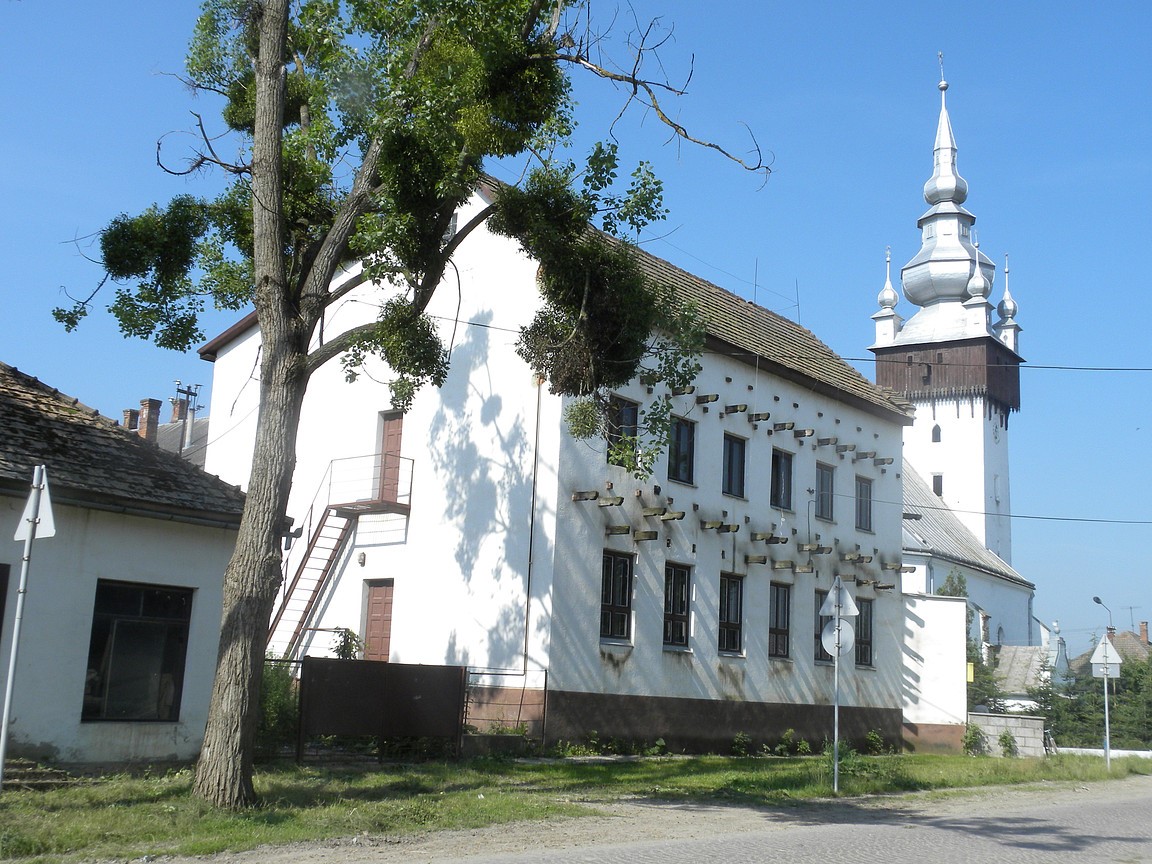
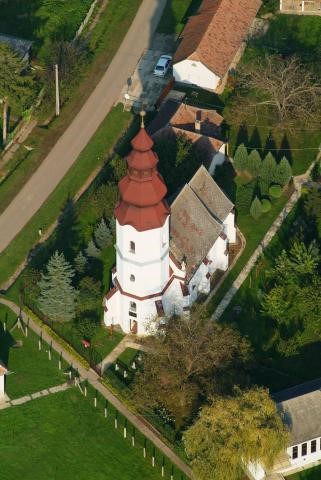
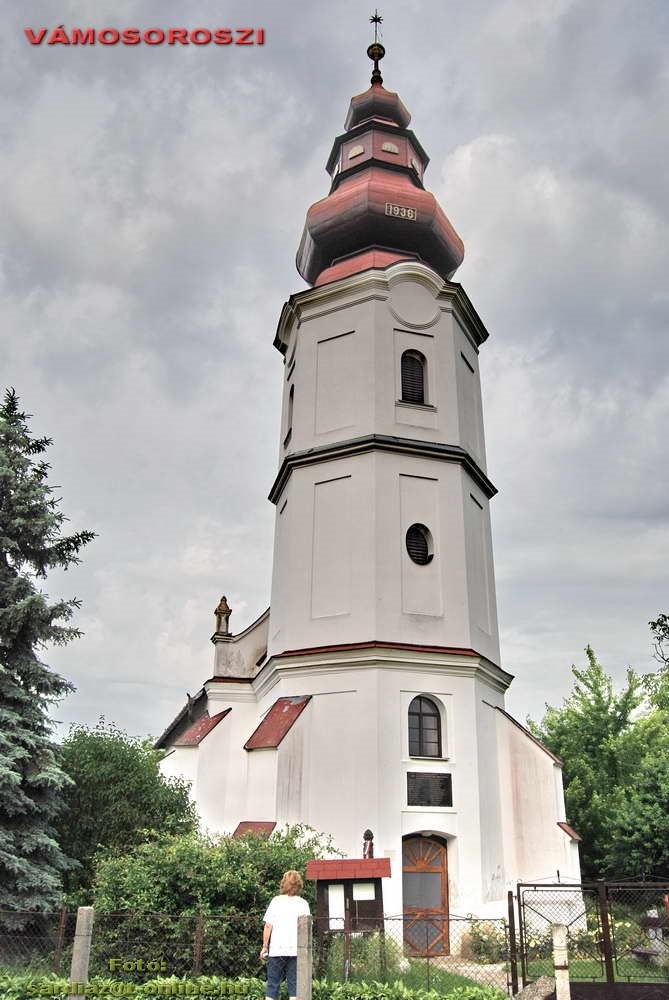
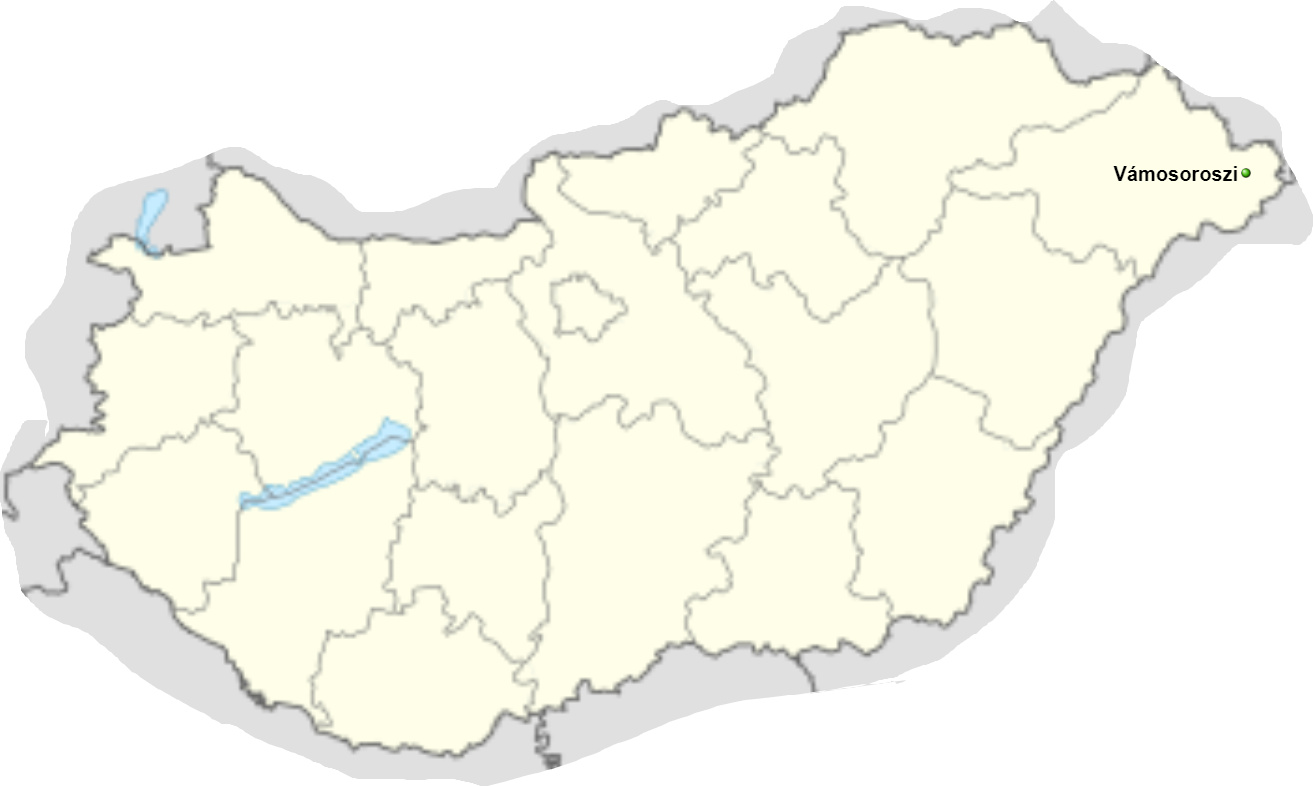
The village of Vámosoroszi is located in Szabolcs-Szatmár-Bereg County.
The name of the settlement was first mentioned in documents in 1324, when it was written in Uruczy (Russian).
The village was inhabited by Ukrainian (Russian) settlers. In the 14th century, its owners were the Kölcsey and Matuchsynai families.In 1419, King Sigismund donated part of the village to István Báthori and his brother Benedek, while the other half was given to István Jakcs Kusalyi.
In 1524, regional judge János Drágffy became its owner.
In 1633, it is considered the property of István and Péter Bethlen.
Since 1810, it has had several owners, including the Domahidy, Tolnai, Szenichey, Mándy and Gulácsy families. In the second half of the 17th century, the Luby, Maróthy, Fábri and Rédhey families owned the village.
The village was completely destroyed during the Rákóczi War of Independence.
Until 1945, it was also owned by the Staudinger and Chisteph families.
Warning: Trying to access array offset on value of type bool in /var/www/clients/client1/web302/web/wp-content/themes/dt-the7/inc/class-the7-aq-resize.php on line 121
Warning: Trying to access array offset on value of type bool in /var/www/clients/client1/web302/web/wp-content/themes/dt-the7/inc/class-the7-aq-resize.php on line 122
Turulung settlement in Romania, Satu Mare County, 25 km northeast of Satu Mare, on the left bank of the Túr River.The prefix of its name refers to the river Túr, which flows through the settlement, while the suffix of its Slavic origin means eradication.
The area around the settlement was already inhabited in the Paleolithic era, which is confirmed by the finds from this period found in the area.
Turulung was already a populated settlement at the beginning of the 15th century, and at that time it belonged to the territory of Ugocsa.
The name of the Árpád-era settlement is mentioned in contemporary documents as early as the early 1200s. In 1241, during the Tatar invasion, the village was depopulated, but later it was populated again.
It had several owners from the middle of the 13th century to the end of the 15th century.At the end of the 14th century, the Perényi family became the owner of the settlement and it remained theirs for centuries to come.Through the Perényi family, it reached Szatmár County and remained part of it until the Trianon Peace Treaty.
Pál Reizer became the head pastor of the Roman Catholic Diocese of Szatmári (1990–2002), and was then succeeded by Jenő Schönberger (2003–). Also a native of the village, Dr. Ferenc Cserháti, who became auxiliary bishop of the Esztergom-Budapest Archdiocese in 2007, and to whom the Hungarian Episcopal Conference entrusted the pastoral care of Hungarians abroad
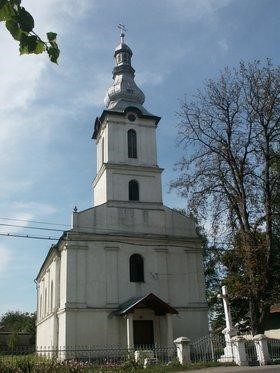
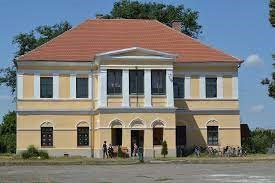
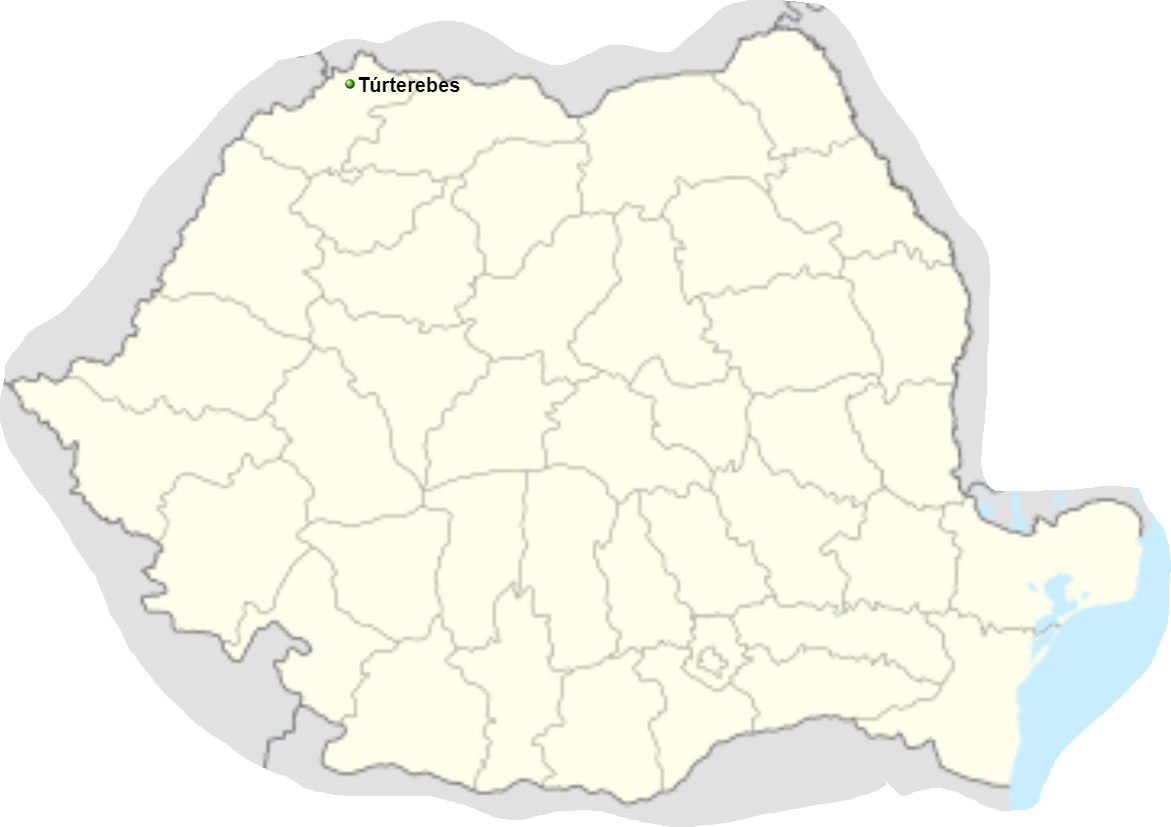
The village of Tiszakorod is located in Szabolcs-Szatmár-Bereg County. The settlement and its surroundings have been inhabited since ancient times. Its name was written as Chorod in 1334 and as Korod in 1415. The old owner of the village was the Kusaly family. In the 14th century, the Kölcseyek family also had property here, for which the family received a new donation in 1344. In 1488, part of their property was sold to the Perény family. In 1550, Kórod was acquired by Rozsályi Kúnok and was annexed to the Rozsályi manor.
At the beginning of the 19th century, in addition to the Kende family. Also for the Rédey, Bay, Ormós, Bessenyey, Kölcsey, Tholnay, Jármi, Uketyevity, Csiszár, Sántha, Kálnási, Nyeviczkey, Uray families.
At the beginning of the 20th century, its largest owner was Zsigmond Kende.
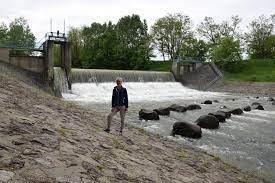
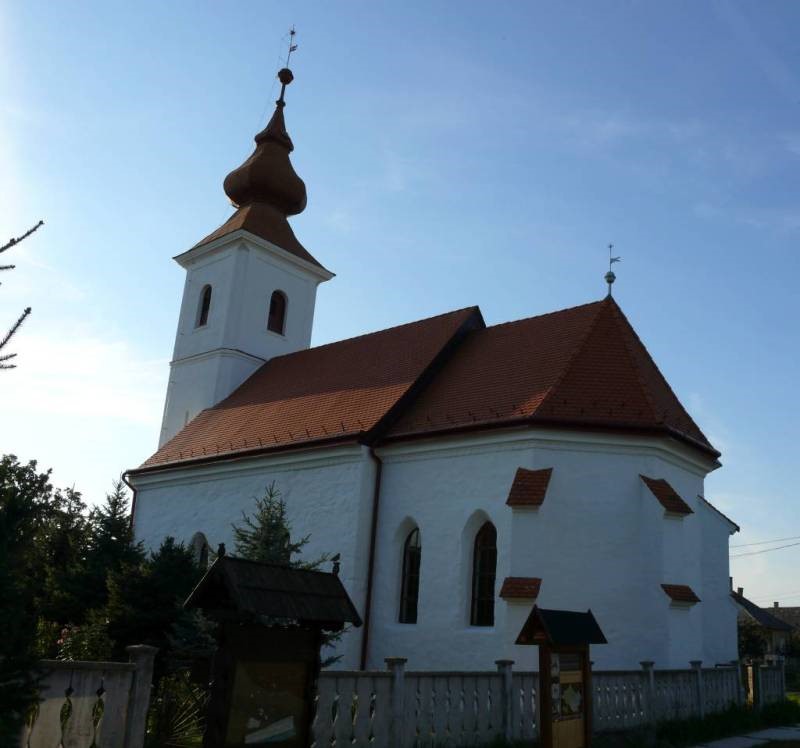
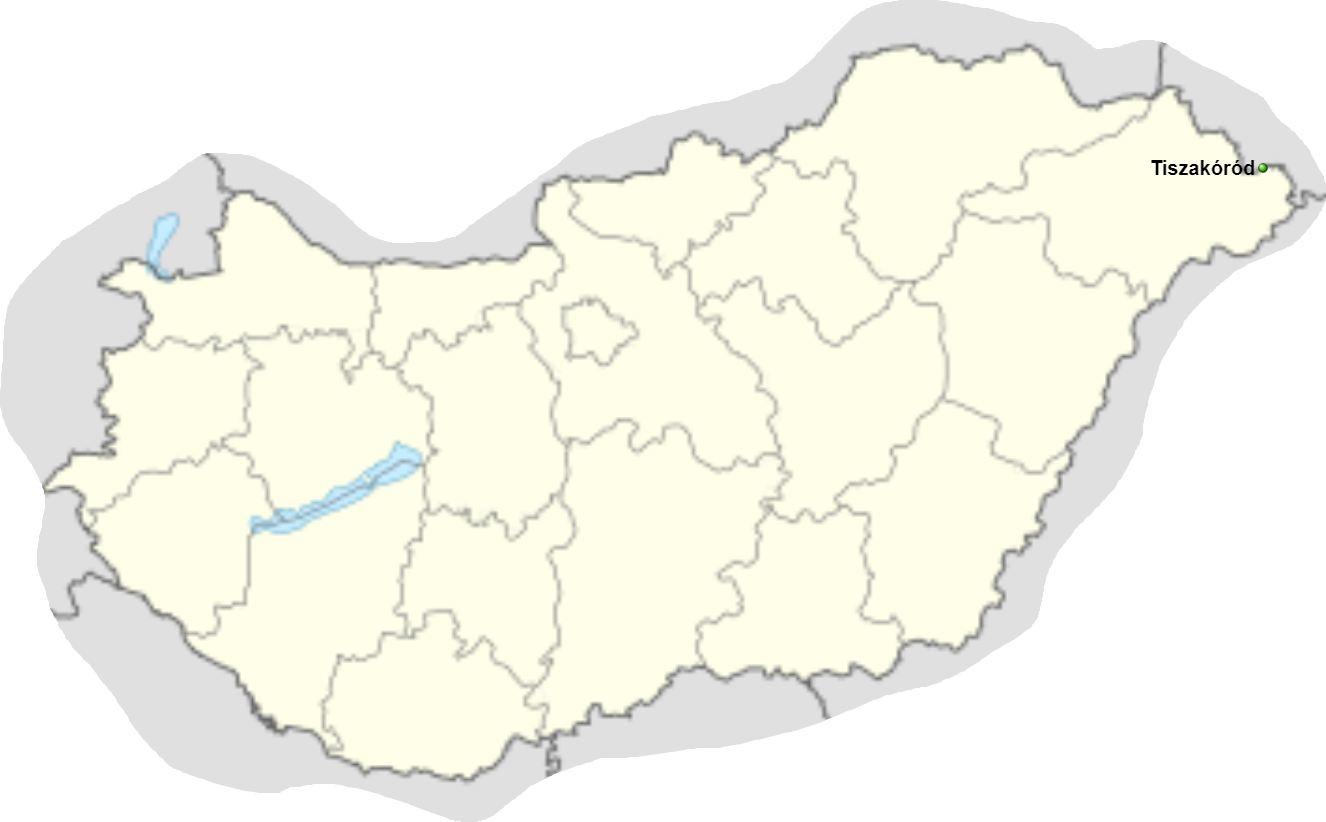
Neighbors: Botpalád to the north, Kishódos to the east, Rozsály to the south, Gacsály to the southwest and Túricse to the west.
Its nearest neighbor is Túricse, about 3-4 kilometers away; from other settlements in the area, Rozsály 5, Méhtelek 9.5, Zajta 11, Gacsály 8 and Császló are 12.5 kilometers away.The name of the settlement was first mentioned in documents in 1332 when it was written as Chyzaberug, in 1342 as Thyzthaberuk, in 1470 as Thyzthaberek and in 1486 as Berek.At the beginning of the 14th century it already had a church. In 1393 Balk and Drágh fought for Tisztaberek with the sons of Bán of Megyesi.In addition to the Drágfiak family, the Gachály family also owned here.In 1437 and 1470, the Csató family also owned it.Tisztaberek already belonged to Sătmarului Fortress in 1486.At the beginning of the 18th century it belonged to the Gyulafis, and after them, through marriage, it became the property of Gergely Tarpay, who II. He followed Ferenc Rákóczi to the shelter, then the Rhédeys took him, but besides them the Kecskés and Vasadi families also had property here.In the early 1900s, Sándor Szoboszlay, Imre Dely and Zsigmond Fogarassy also had larger properties in the settlement. ]]>
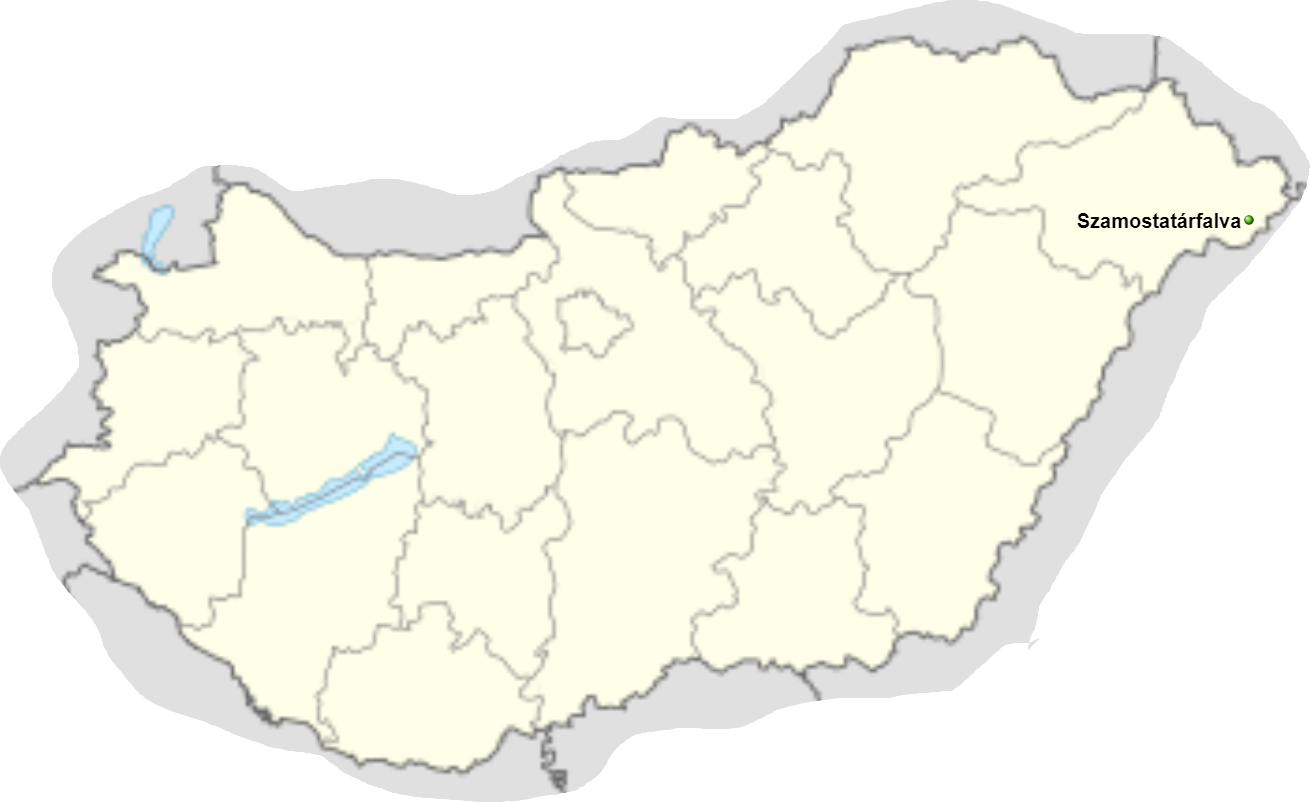
The village of Szamostatárfalva is located in Szabolcs-Szatmár-Bereg County.The settlement is located in the south-eastern part of Szabolcs-Szatmár-Bereg county, in the part of the Someșului plain.
Szamostatárfalva is one of the oldest settlements in the Someșului Plain.Its name was first mentioned in 1181
In 1458, it was the property of the Tatárfalvi family, and its name was written at that time as Tatárfalva.In 1499, Mihály Mikola was registered as the owner.
Between the 15th and 19th centuries, its main owners were Zsigmond Csomaközy, Ferenc Szegedy and Sámuel Diószeghy, who received the village as a royal donation.In the 1800s, his name was already used with the first name Someș, meaning his name was already written as Szamostatárfalva.
In 1857, its owners were the Ilosvai, Décsei and Mészáros families.
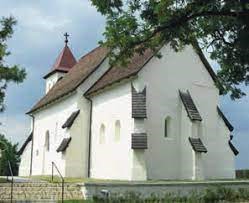
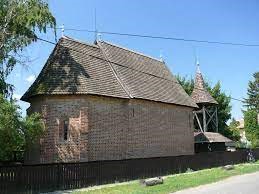
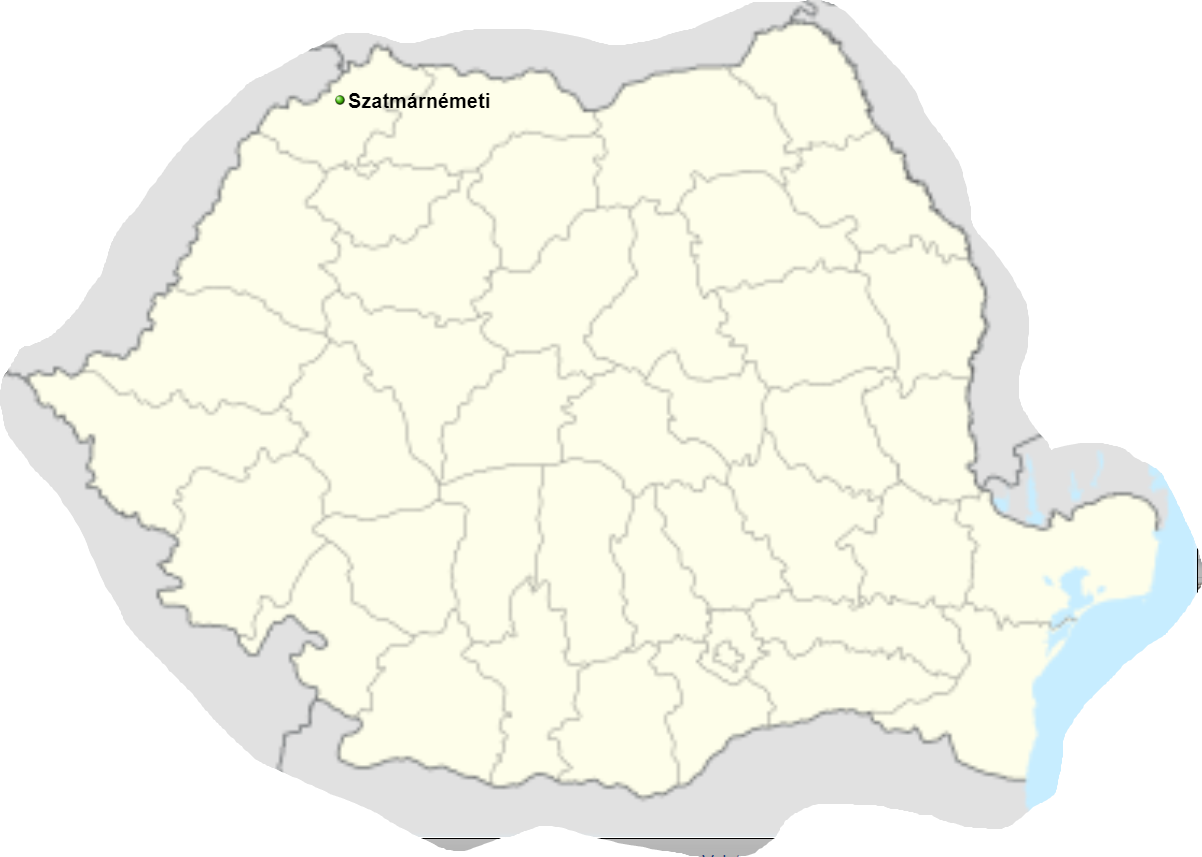
Satu Mare (in Hungarian Szatmárnémeti, colloquially Szatmár; in German Sathmar; old Romanian name Sătmar or Sătmar-Mintiu) is the seat municipality of the county of the same name, Transylvania, Romania, consisting of the component localities of Satu Mare (the seat) and Sătmărel.It has a population of 102,411 inhabitants in 2011.The archaeological discoveries in Ţara Oașului, Ardud, Medieșu Aurit, Homoroade, Lazuri, etc. highlights a range of evidence for Stone Age and Bronze Age settlements; there is also evidence of the continuity of the habitation of these lands by Geto-Dacian communities and the presence of Celtic communities after the Roman conquest.Later, these territories were part of the voivodship ruled by Menumorut, one of the 10th-century defense fortresses being at Satu Mare (Castrum Zotmar), conquered by Szabolcs and Tas, as Anonymus’ chronicle mentions.
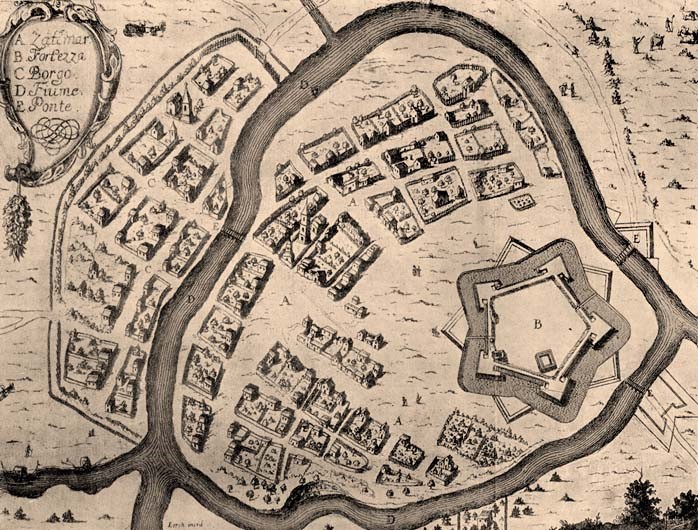
In the Middle Ages, on the territory of the current city of Satu Mare, there were two human settlements, Mintiu and Satu Mare, separated by the Someș river.The first written information about this region indicates Satu Mare as the center of the royal county of the same name, operating around a fortified castle: the Satu Mare citadel.
Mind appears in documents at the beginning of the 13th century as a settlement of German settlers.Lacking a fortification of its own, Mind never had the strategic and military importance of Sătmar. The first known privilege is granted to the city of Mintiu by the Hungarian king Andrei II, in 1230A similar privilege was issued for Satu Mare in 1264
In terms of obligations, the cities were obliged to send five armed men to the king’s army, to pay a tithe of 12 denarii, and to provide two meals for the king and his companions, should they ever stop in Satmar.The rights granted in return to the two cities were relatively extensive, being administratively and legally extracted from the authority of the city committee and placed directly under the authority of the king or the royal treasury.At the same time, the inhabitants had the opportunity to choose their county and priest, also benefiting from a customs-free ford on the Someș river.In 1162 Stephen III of Hungary donated the city’s revenues, made from fees and taxes, to the Szentjobb Monastery in Berekys.The city’s first medieval fortress was built during the reign of Stephen I of Hungary and was destroyed, together with the cities of Satmar and Mintiu, in 1242 by the Tatars during the first Mongol attack.
After the retreat of the Mongols, the fortress and the two neighboring towns were rebuilt by order of King Bela IV.
In 1247, Sătmarul became the residence of King Stefan V of Hungary, after the young prince obtained from his father, Béla IV, the right to rule as king in the east of the kingdom.
Becoming one of the two royal residences, Sătmarul receives privileges equal to the old capital, Székesfehérvár, ruled by the old king, Béla IV until 1270. In 1411 Sigismund of Luxemburg granted the Serbian despot Gheorghe Brancovici the towns of Sătmar and Mintiu as a fief in exchange for the city of Belgrade. In 1460 the city again became royal property. After 1543, when the fortress came into the possession of the Báthory family, changes were made to the bed of the Someș, in order to defend the fortress in its southern part, so that the fortification remained located on an island connected to the main roads by three bridges over the Someș.
During the violent conflicts, on September 28, 1703, Sătmarul was burned and demolished by the Lobonts, on the same day, the Curuts destroyed the town of Mintiu.
The two camps (the pro-Habsburg of the Lobonts and the anti-Habsburg of the Kuruts) put an end to the war also in Sătmar, on April 30, 1711, when, in the Vécsey Palace, they concluded the Peace of Sătmar, after having previously the Curut army capitulated at Moftinu Mare.The following year, on December 29, 1712, Sătmarul (Szatmár) and Mintiul (Németi) were administratively united under the name Szatmár-Németi (Sătmar-Mintiu).
The 18th century marks the beginning of an intense process of urbanization of the city, from this period some representative buildings date: the old town hall, the inn, a barracks, the Greek-Catholic church, the reformed church, etc. In the 1859/1860 school year, the first Romanian language department was introduced at the High School in Satu Mare (founded in 1642), with the first teacher, the archpriest Petru Bran. The department operated until 1907. In the 19th century (and especially in the second half of the century) a period of intense urbanization and commercial, economic, cultural and social development begins.The city’s prosperity continued until the beginning of the First World War. With the outbreak of the First World War, the dynamic development of the city stopped.
At the end of the First World War, the city of Satu Mare was in an uncertain situation, since, unlike the other urban centers in Transylvania, the Romanian administration had not yet been fully established in the city, although a Romanian National Comitantes Committee functioned for a short period, in November-December 1918.After this period, the big enterprises in the city, the Unio Wagon Factory, the Princz Factory, the Ardeleana Textile Company, the Freund Oil Refinery, the Brick Factory, the Furniture Factory prosper, and the municipality makes important investments in communication routes, schools, hospitals, constructions public, communal plants.On July 15, 1919, the high school was taken over by the Romanian authorities and transformed into Mihai Eminescu High School, the first secondary education institution with teaching in the Romanian language in the city. In parallel, the banking system and trade develop, so that in 1929, the Chamber of Commerce and Industry and the Commodity Exchange are established, which have as members 25 anonymous trading companies and 75 industrial and manufacturing firms; in 1930 there were 33 bank branches in the city. During the interwar period, the municipality of Satu Mare was the seat of the county of Satu Mare. The rise of fascism in Europe and the outbreak of World War II produced dramatic changes in the city’s social, political and economic climate. Following the Second Vienna Arbitration (August 30, 1940), Satu Mare county, as well as all the northwestern and eastern counties of Transylvania, were annexed to the Kingdom of Hungary.The city of Satu Mare was liberated by the Romanian Army in the fall of 1944. The factories Unio, Princz and other important enterprises in the city were nationalized in 1948, the development of the city following the framework of the five-year plans.
Since the 1960s, as a result of forced industrialization, the number of inhabitants of Sătmar has increased significantly, also determining the expansion of the city’s territory.In the floods of the spring of 1970, 56 villagers died and a large part of the city was destroyed, the floods causing the collapse of more than 2,000 houses.
Warning: Trying to access array offset on value of type bool in /var/www/clients/client1/web302/web/wp-content/themes/dt-the7/inc/class-the7-aq-resize.php on line 121
Warning: Trying to access array offset on value of type bool in /var/www/clients/client1/web302/web/wp-content/themes/dt-the7/inc/class-the7-aq-resize.php on line 122
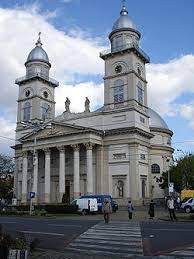
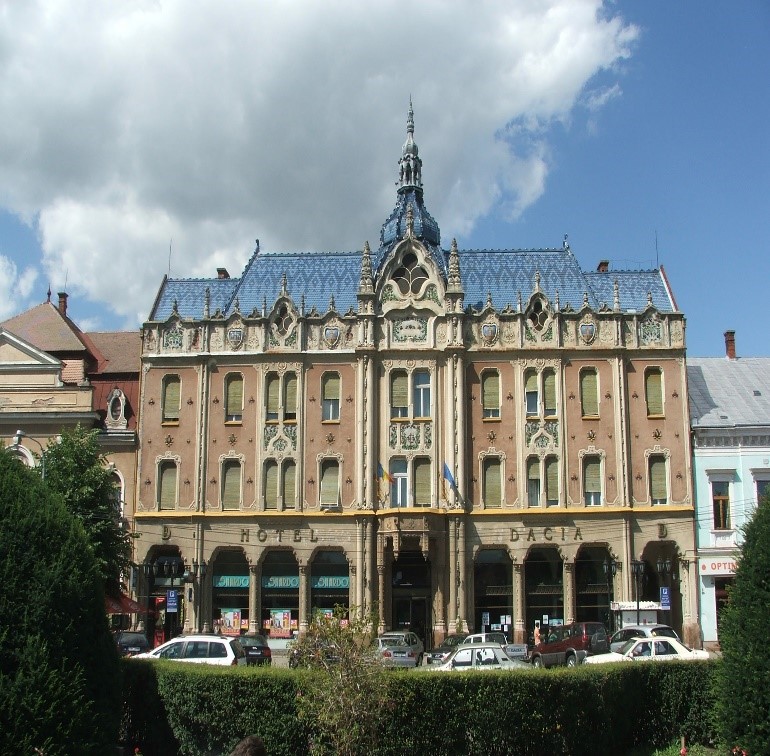
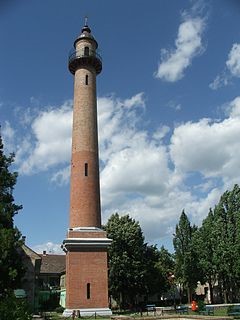
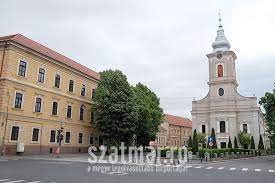
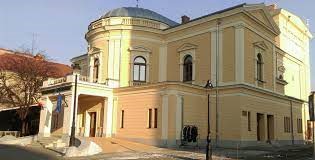
Viile Satu Mare is located in Romania, Satu Mare.The name Viile Satu Mare was already mentioned in the 13th century. At the beginning of the 18th century, Viile Satu Mare, with its increased population, was declared an independent settlement. During the Second World War, when Szatmárnémeti was bombed in 1944, part of the population fled here again and later settled here.
Warning: Trying to access array offset on value of type bool in /var/www/clients/client1/web302/web/wp-content/themes/dt-the7/inc/class-the7-aq-resize.php on line 121
Warning: Trying to access array offset on value of type bool in /var/www/clients/client1/web302/web/wp-content/themes/dt-the7/inc/class-the7-aq-resize.php on line 122
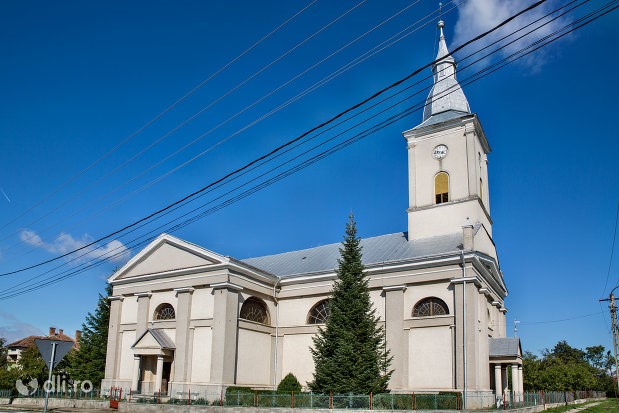
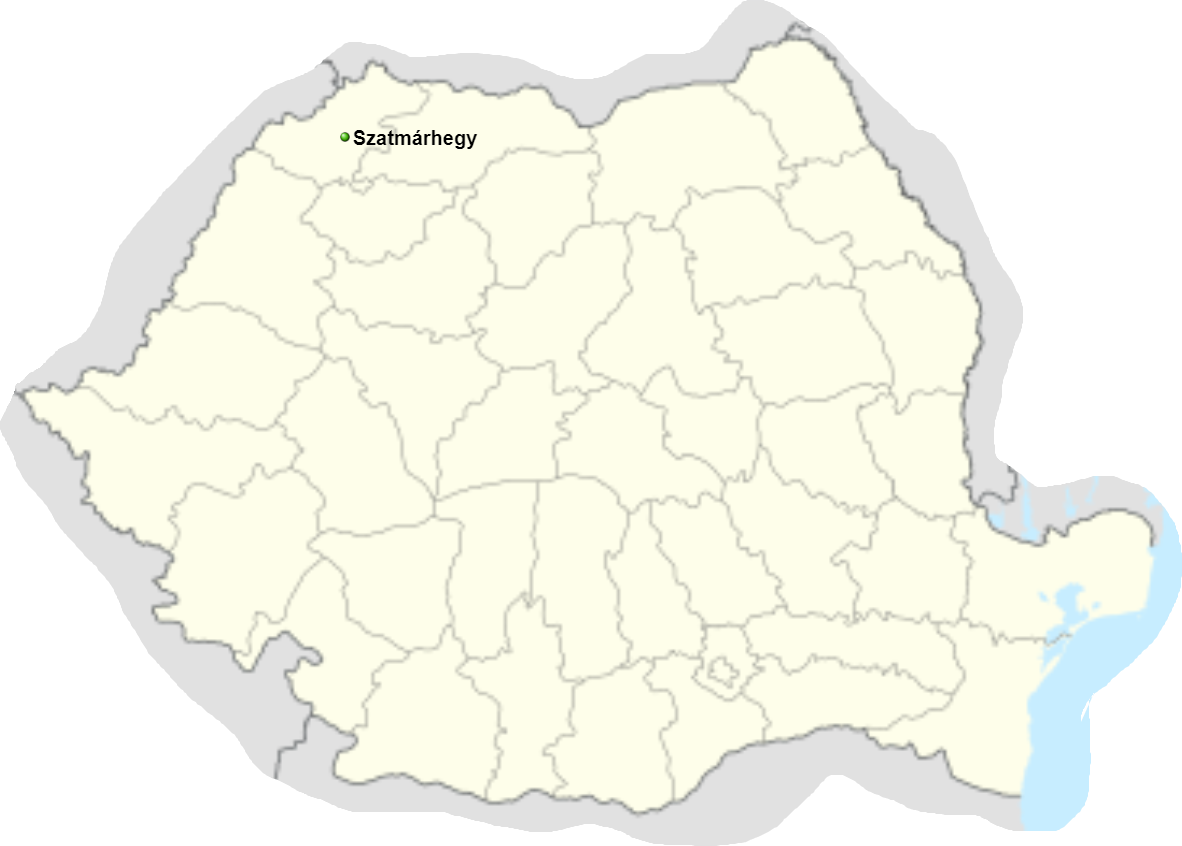
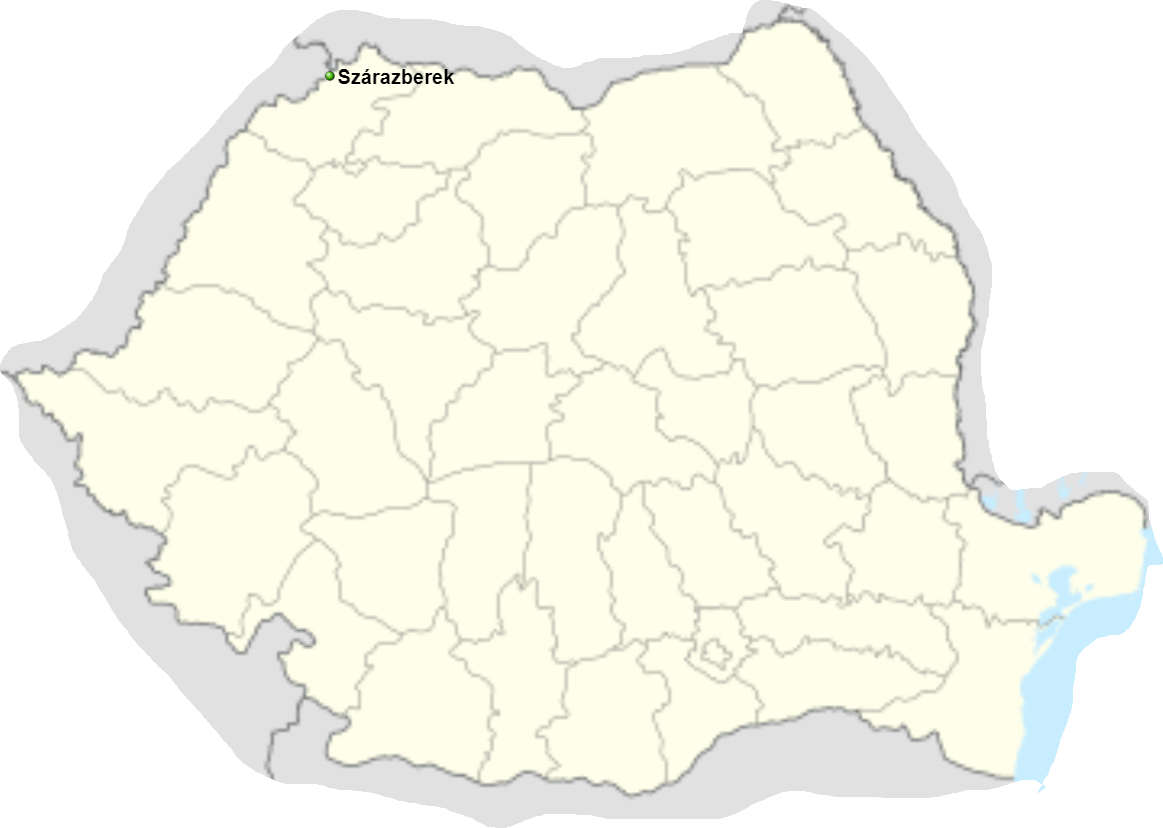
Bercu village is located in Romania, Satu Mare county. A settlement in Satu Mare County, 16 km north of Satu Mare by road, near the Romanian-Hungarian border, 1.8 km from river Túr. Neighboring villages: Micula Noua to the northeast, Nisipeni to the southeast, Pelisor to the southwest, Méhtelek and Garbolc to the northwest (both in Hungary).
The name of the settlement was written as Zaruzberuk in 1348 and Zarzberek in 1351.In addition to the Szárazberek family who live on the reclaimed property, other owners also participate, such as the Mikolay family, as well as the Csáky, Téti, Vetési, Fülpösi, Dabolczi, Sárvári, Román and Csaholyi families.In the 16th century, Pál Muchey also had property here, who received a donation here in 1545.In 1547, the Csaholyi girls were also recorded here.The Báthorians also acquired part of the estate here, which Miklós Báthory gave to Lajos Szirmai in 1567.
In the 1600s, it had several owners: Péter Vetési Kökényesdi, András Farkas Szentmártoni, István Horvát, Count István Csáky were owners here, but the Mikolay family remained the largest owner in the 18th century.
From the end of the century to the middle of the 19th century, in addition to those listed, other owners also acquired shares here.At the beginning of the 20th century, Bertalan Mándy and Lipót Mandel were the main owners of Szárazberek.